
-
 This tiny mobile controller is the one accessory I'd recommend for retro gaming on your phone
8BitDo has hit it out of the park with the FlipPad
-
 I've been playing EA Sports FC 27 for a week and these are the 5 upgrades that matter most
This year's game has improved a lot, and these are the new features that have stood out
-
 Googlebooks will be capable of playing high-end PC games through a welcome workaround
Your new Googlebook will get RTX gaming "later this year", reveals Nvidia
-
 Xbox gives hope for the future of physical discs – asks Xbox gamers whether to scrap them or not for Project Helix
Microsoft is reportedly surveying Xbox Insiders to find out their thoughts on potential Project Helix features
-
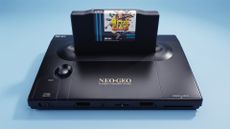 NeoGeo AES+ delay explained and it's an old enemy at fault: "We didn’t have a choice"
Manufacturer explains why the reissued retro console has been put back almost a year
-
 3 meaty Nintendo Switch 2 games to round off the summer with
I’ve been playing this lot by the pool, but you can do so anywhere
-
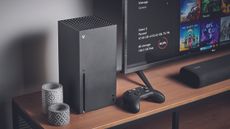 Your Xbox could soon emulate PS5 games – developer demos a significant breakthrough
Playing native PS5 games on an Xbox Series X could genuinely be a thing
-
 Last chance to play the "British Fallout" on Xbox for free – underrated sci-fi adventure is leaving Game Pass soon
You should check out this quaint British action-adventure while you've still got the chance
-
 There's a GTA 6 disc after all, but perhaps not the one you were expecting
In fact, there's more than one
-
 I didn't expect this massive game to underline the PS5 Pro's one weakness compared to PC
It's all about targeted optimisation, people
-
 New PlayStation Pulse headsets coming in time for Christmas, and they're bringing a touch of high-end audio magic too
The PlayStation Pulse and Pulse Edge headsets feature improved planar magnetic drivers for better sound
-
 Xbox Game Pass for even less? Price drop suggests even bigger Xbox bargains
There are big changes coming for Xbox Game Pass
-
 Apple reportedly looking at an all-new product category, and could slap the Beats name on it
This sounds like it could be a lot of fun
-
 All Xbox owners get two free games this weekend, no Xbox Game Pass required
Make sure you check out Dustborn and Madden NFL 27 over the next couple of days
2 Comments -
 I played Stage Tour and am now convinced guitar controllers are coming back in force – get ready to rock (band) again!
Gaming is about to get physical all once more
-
 This month's PS Plus lineup is one of its best in a year – WWE, Ball x Pit, and Ninja Gaiden for free
The free games start to arrive next week
-
 The NeoGeo AES+ retro games console has been delayed... by a year
The retro console I'm most looking forward to has been put back to September 2027
-
 This new pro controller makes one key change that I've wanted for years (but still has one flaw)
SteelSeries brings battery swapping to a controller
-
 Some Xbox Game Pass subscribers will continue with unlimited cloud gaming – are you one?
New Xbox Cloud Gaming limits don't apply in some regions, is yours one?
-
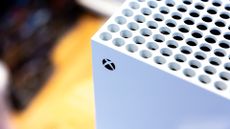 Xbox Cloud Gaming to be restricted, even if you pay for Xbox Game Pass
Microsoft is putting a monthly cap on cloud gaming, with even Game Pass Ultimate subscribers limited to 15 hours
-
 I can't believe I'm replaying the best RPG of the last decade on Switch 2
Elden Ring has its hooks in me – surely not another playthrough?!
-
 "Many people have dartboards, but aren't playing": Winmau explains how the free Autodarts app can get them back to the oche
Darts is having a new moment in the sun, and Winmau believes Autodarts can help it go further
-
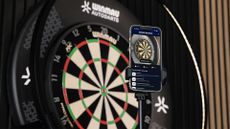 Winmau Autodarts makes real-world darts a multiplayer online game anyone can enjoy – it even keeps score for you
Stand up if you love the darts!
-
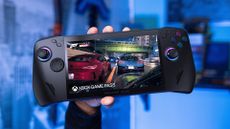 Acer's new gaming handheld fixes one big problem with the Predator Atlas 8
The Atlas 7 is smaller, which will likely suit more people
-
 Razer Prio is the foldable controller that turns your phone into a retro gaming powerhouse
Razer’s pocket-friendly mobile controller folds down to credit-card size but opens into a full-sized gamepad with drift-resistant capacitive sticks
-
 I'm not sure why, but there's £100 off the best gaming headset I've ever tested right now
SteelSeries knocks down the Arctis Nova Elite
-
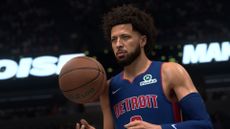 Nvidia's much-discussed DLSS 5 is out, and this time it's been explained way better
Impressive or depressing, why not both?
-
 Samsung considers adding Privacy Display tech to monitors, but only if it makes financial sense
Privacy Display has proved successful feature for the Samsung Galaxy S26 Ultra, but could it make its way to monitors?
-
 I've been glued to my PS5 Pro thanks to this banging Capcom release – September starts off strong
Onimusha is back, and it's pretty great


