I’m a personal trainer and these are the 5 exercises I ask every client to master first for full body strength
Let’s get back to basics


As a personal trainer, former national gymnast, and avid gym-goer, I’ve worked with clients of all ages and abilities, and one truth always stands out: the most foundational movements deliver the biggest results.
Before worrying about fancy equipment or trending workouts, I ask every client to master five simple exercises, the same ones I prioritise myself. Together, they build real-world strength, improve mobility, support better posture, and help prevent injury, all while being beginner-friendly.
If I could only do five exercises for the rest of my life, these would be them. Moving well doesn’t have to be complicated.
1. Squat
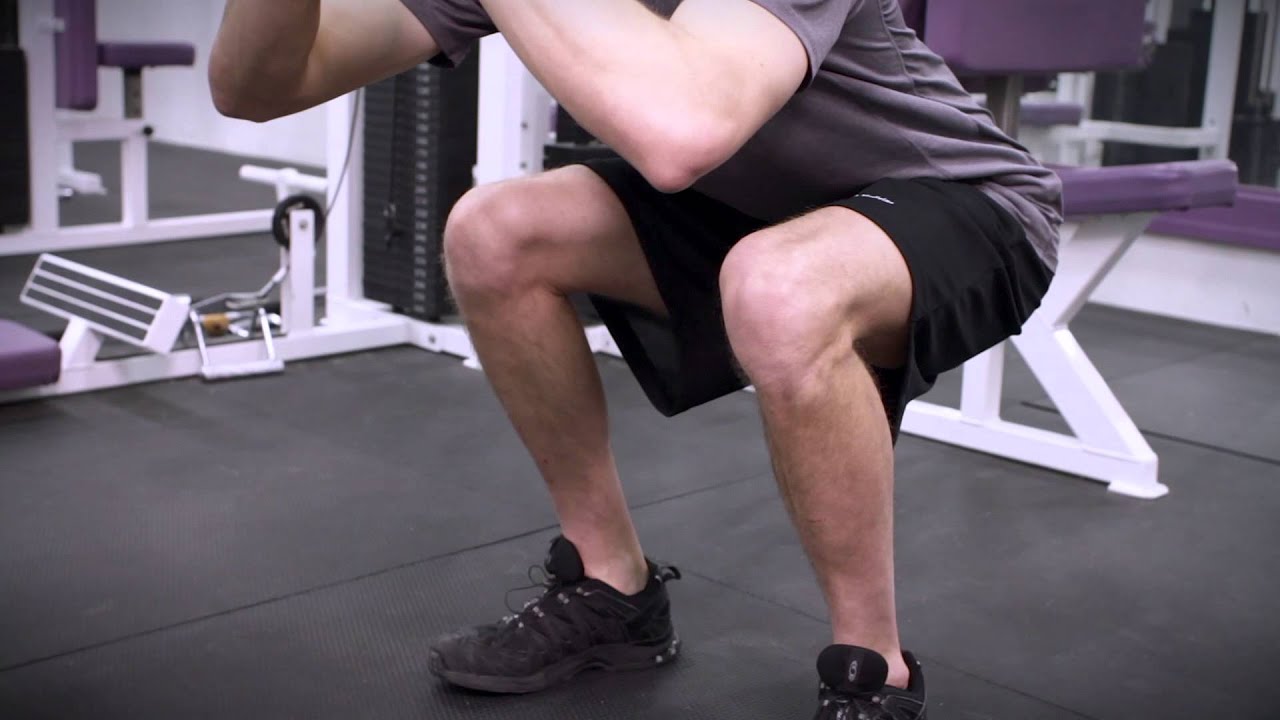
The key to getting stronger is focusing on compound movements, which involve multiple joints and muscles working together. This is exactly what the squat does, and it's one of the purest tests of strength, targeting the hamstrings, glutes, quads, core, and lower back all at once.
How to do it
- Stand with your feet shoulder-width apart, toes pointed slightly outwards.
- Keep your chest up, back straight, and core tight.
- Hinge backwards and lower your body as if sitting into a chair, until your thighs are parallel to the floor.
- Keep your knees in line with your toes and push through your heels to return to the starting position.
Once you’ve mastered it: Goblet squats, squat jumps, front squats, overhead squats, squat-to-press – the list goes on.
2. Deadlifts
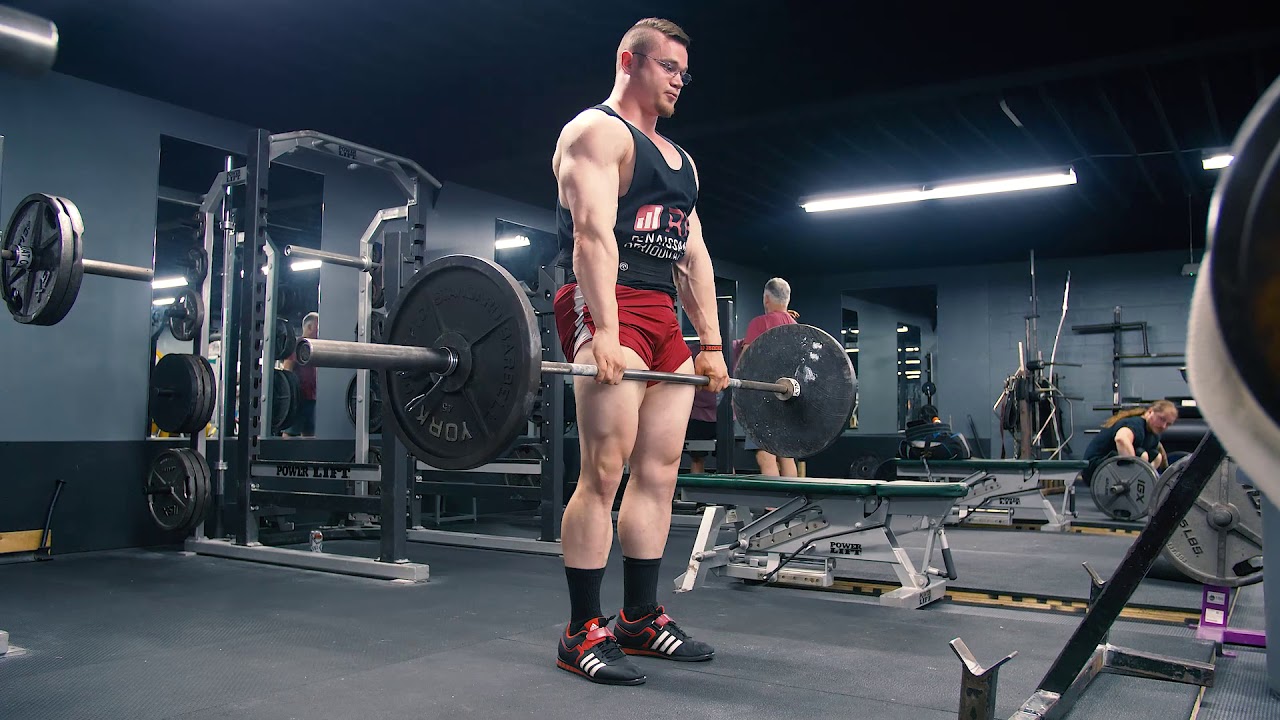
Multi-joint, compound movements recruit the most muscle fibres, and that’s why the deadlift is such a powerhouse. It’s perfect for stiff hips, inactive glutes, and the lower back. Plus, because you’re working from a stable base, once your form is spot-on, you can really load up the weight safely.
How to do it
- Stand with your feet hip-width apart, holding a dumbbell in each hand, resting them in front of your thighs.
- Hinge backwards as if you’re trying to touch a wall behind you with your hips.
- Slide the weights down your legs, keeping your lower back neutral and your knees slightly bent, until you feel your hamstrings stretch fully.
- Exhale and drive your hips forward to return to standing tall.
Once you’ve mastered it: You can then explore a range of deadlift variations, including Romanian deadlifts, single-leg deadlifts, and sumo deadlifts. The great thing about deadlifts is that once your technique is solid, you can progressively add weight; a brilliant way to build muscle and get stronger and leaner.
3. Push-Up
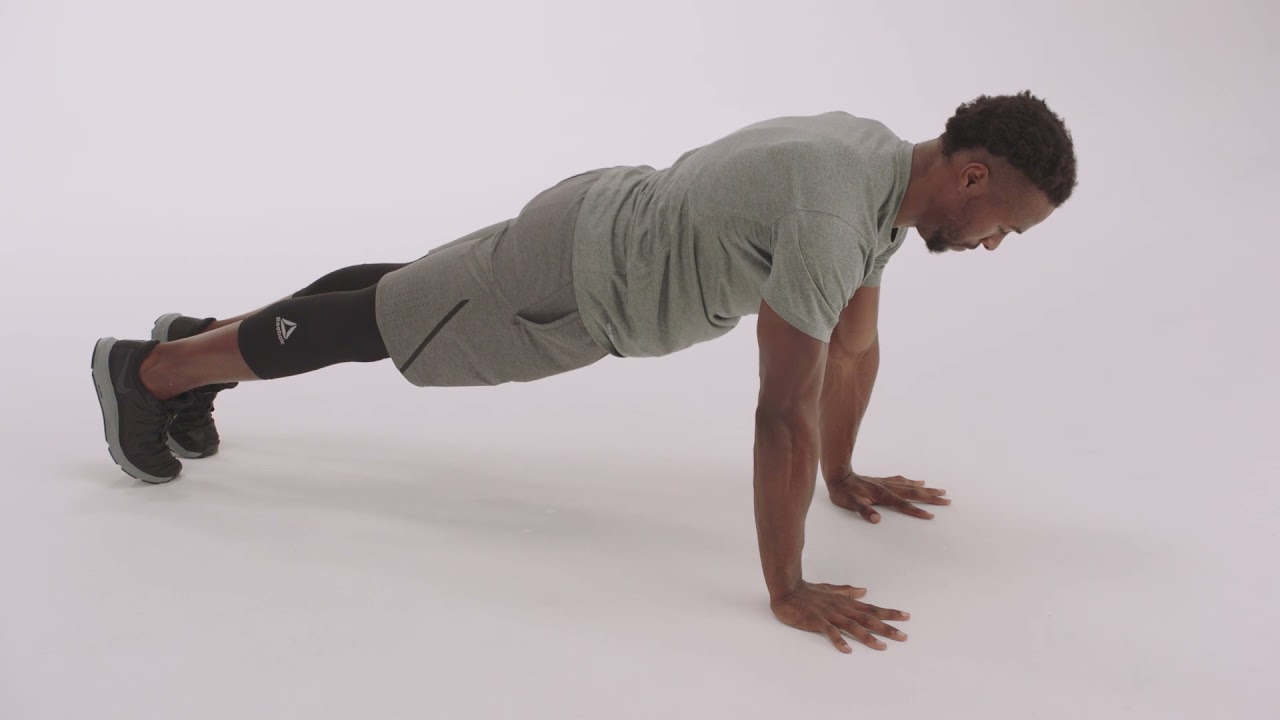
Being able to move your own body weight is one of the best signs of strength. It’s not easy, but for beginners, you can modify it by elevating your hands on a step or even against the wall: the higher your hands are, the easier it is. Whatever your level, push-ups work all the pressing muscles in your upper body, including your chest, shoulders, and triceps.
How to do it
- Get on all fours, with your hands in line with your shoulders but slightly wider.
- Keep your elbows slightly bent and extend your legs so you’re balanced on your hands and toes, feet hip-width apart.
- Lower your body toward the floor, thinking about “gripping” the floor and pushing through your palms as you push back up.
Once you’ve mastered it: Try plyometric push-ups to engage fast-twitch muscles, feet-elevated push-ups to target the chest more, or medicine ball push-ups, where you place one hand on the ball for more depth and challenge. Mastering push-up variations also improves strength and form for dumbbell or barbell chest presses.
4. Deadbug
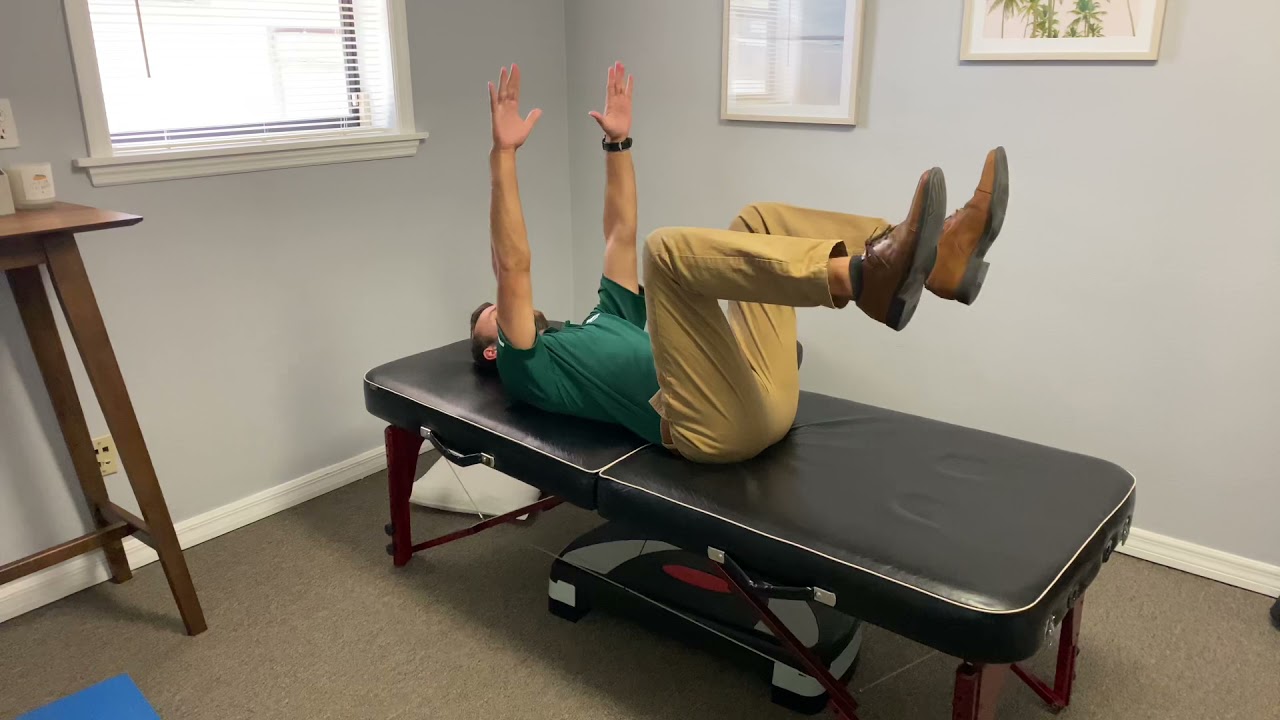
This exercise engages and stabilises the core without the need for sit-ups. Many of my clients find sit-ups tricky, and they can’t figure out why they can't raise their torso up. Instead, the deadbug builds a strong, controlled core safely, which then translates to a stronger foundation for many of your other compound moves, like the squat and deadlift.
How to do it
- Lie on your back with your knees bent and feet flat on the floor.
- Lift your arms so they’re above your shoulders, fists facing each other.
- Raise your legs above your hips, bending your knees at 90 degrees.
- Exhale and lower one leg toward the floor while simultaneously lowering the opposite arm behind your head.
- Inhale and return to the starting position, then repeat on the other side.
Once you’ve mastered it: Hold a medicine ball overhead to add resistance or add dumbbells, as you reach your opposite arm and leg out to challenge your coordination and control. Once you’ve built a strong base with the deadbug, sit-ups will feel much easier and safer to perform.
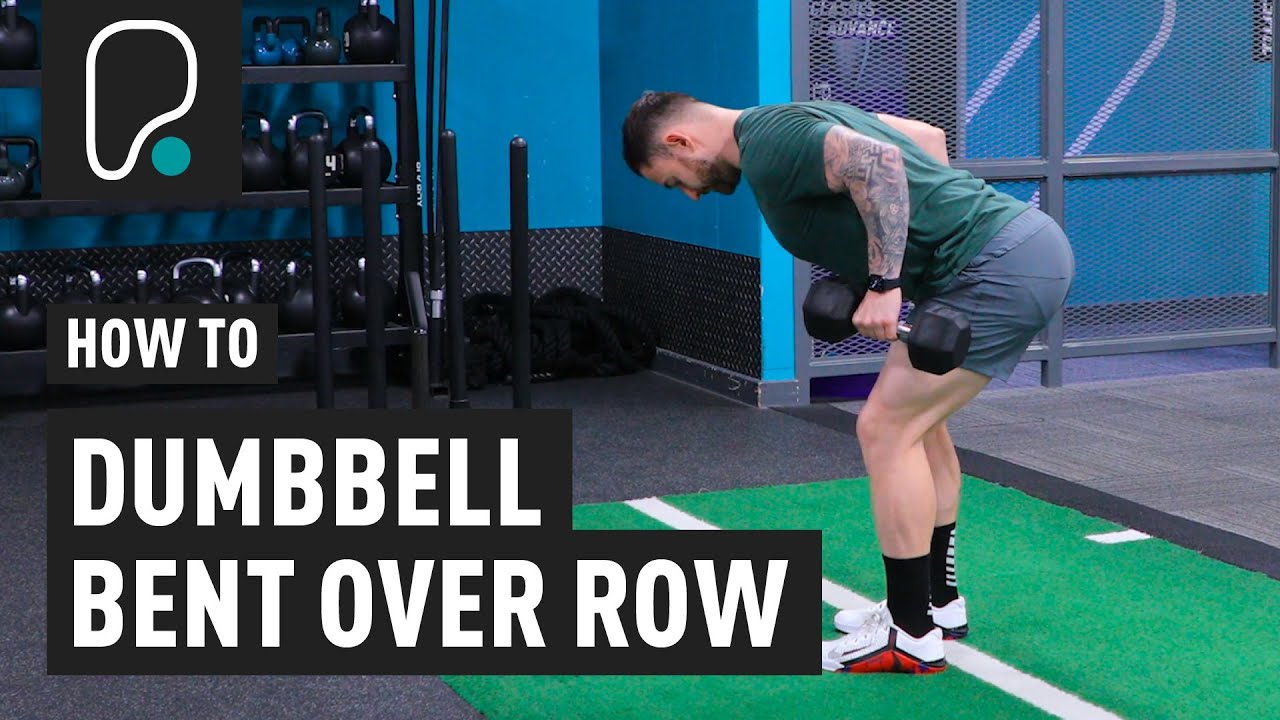
5. Dumbbell bent-over row
Our back muscles are capable of lifting a lot, and in my opinion, a strong back is vital for good posture, both in and out of the gym.
The bent-over row is a pulling exercise that targets all the posterior muscles in your upper body, including the back, shoulders, and biceps. It also requires your legs and core to engage to maintain a strong, stable position.
How to do it
- Hold a dumbbell in each hand and hinge forward from your hips, keeping a neutral spine and soft knees.
- Pull the dumbbells toward your ribcage, squeezing your shoulder blades together at the top.
- Slowly lower back down, maintaining control throughout the movement.
Once you’ve mastered it: Swap dumbbells for a barbell, use a cable machine, or try kettlebell variations like gorilla rows or renegade rows. Increasing your rowing strength also helps with pull-ups, farmer’s carries, and other functional lifts.
Why these 5 exercises matter
The key to a sustainable, effective workout routine is building a solid foundation of exercises that target all major muscle groups. If you’re a beginner or if you’re getting back into the gym after a break, focus on these five moves, and over time, they’ll start to feel easier and build confidence, which is when the fun really begins.
You can progress by increasing weight, trying advanced variations, or experimenting with entirely new exercises - and then the gym suddenly becomes more varied, more effective, and, most importantly, more enjoyable. The world is your oyster!
