I swapped crunches for this abs exercise and my core feels stronger already
Are barbell roll-outs the best abs exercise you’ve never tried?


If you want to work your abs, you’ll probably default to sit-ups, planks or crunches. They sure are effective, but celebrity trainer Ben Bruno, who’s worked with the likes of Justin Timberlake and Jessica Biel, offers a smarter alternative.
I first spotted the move on his social media, and it immediately stood out. You start in a plank position with your hands on a barbell, then slowly roll it forward, extending your arms out in front of you, all while maintaining a neutral spine and avoiding any lower back arch.
Simple in theory, deceivingly hardcore in practice. It’s one of the toughest – and most effective – core exercises I’ve come across, demanding full-body tension and control from top to bottom, from start to finish. Here’s a bit more about the move.
The barbell roll-out is a compound movement that targets far more than just your abs. It works your deep core muscles, rectus abdominis, obliques, lower back, shoulders, arms and chest, hitting a lot of muscles for one exercise.
All you need is a barbell and, optionally, a yoga mat if you’re dropping to your knees. In fact, that’s exactly where you should start. Ben recommends mastering the kneeling version first, building up to 15 clean, controlled reps before progressing to the full plank variation.
“It’s quickly become one of my favourite core exercises that absolutely lights up the abs. The further you roll out, the harder it is,” he says in a post. “Think of it as a souped-up version of the ab wheel, with no special equipment required.”
How to do barbell roll-outs
- Place a barbell in front of you and grip it with both hands
- With both hands resting on the bar, and your arms and shoulders neatly stacked over your wrists, brace your core, then step your feet back one at a time into a high plank.
- Keep your hips level with your shoulders and your body in a straight line - think glutes tight, core braced
- Without letting your hips sag or pike, slowly roll the bar forward as far as you can while maintaining a neutral spine
- Pull the bar back in under control to return to your starting plank position.
Top tip: If your lower back starts to arch and your hips sag, then you’ve gone too far, so reduce the range and focus on control over distance.
Barbell roll-out alternatives
Not quite ready for full plank roll-outs? Scale it back. You’ll still reap the benefits of this serious core exercise.
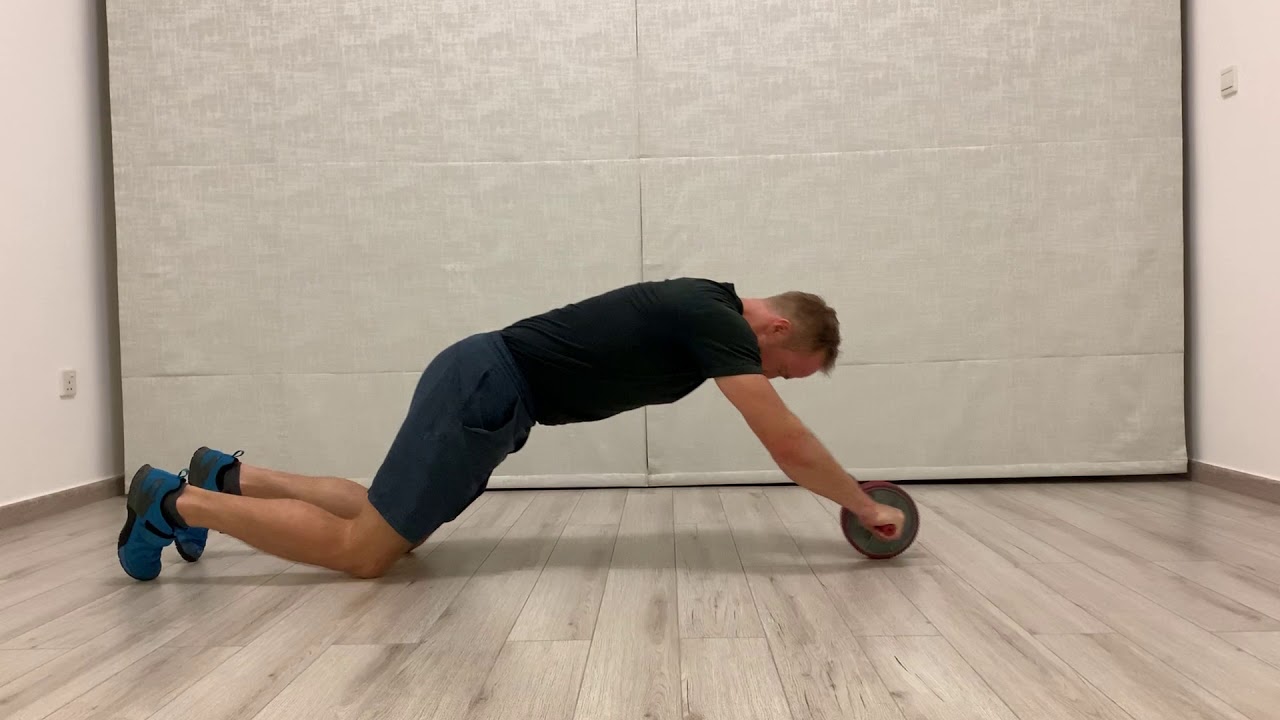
Kneeling roll-outs
If the full plank version feels too challenging, drop to your knees. This reduces the load on your core while helping you groove the movement pattern.
You can also widen your stance slightly. The wider your base, the more stable you will feel. Start with them slightly wider than shoulder-width apart, then bring your feet closer together as your strength improves.
Shorter range ab roll-outs
You don’t need to hit full extension straight away. Roll the bar out halfway, then return to the start with control. Gradually increase the range as your core strength and stability improve.
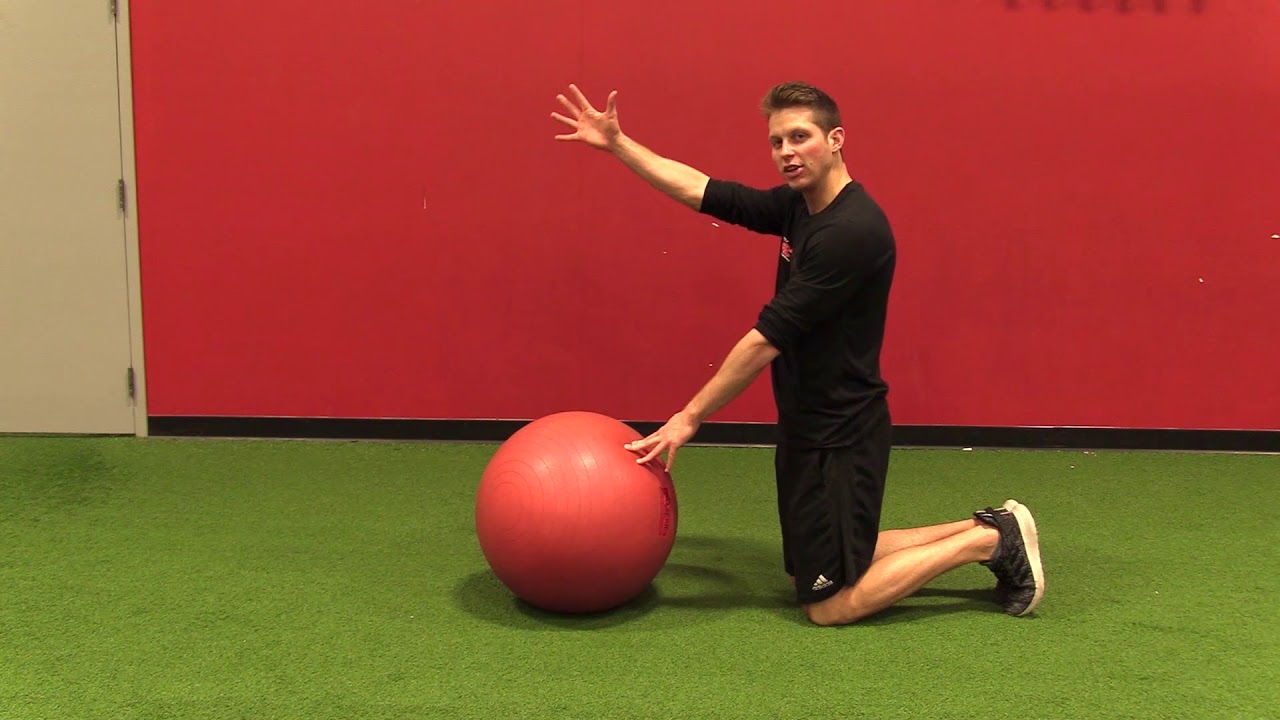
Stability ball roll-out
A gym ball is a great option too. Like the barbell version, you’ll use your core to roll the ball out, but this time, start from a higher position, making it more accessible. That said, the unstable surface adds its own challenge; your core has to work harder to stay steady as the ball will want to wobble beneath you.
My verdict
Barbell roll-outs are brutally effective, and come with an ache you’ll feel for days after. The large range of motion places your abs under serious tension, especially in that fully extended position. As Ben says, your abs will be “too sore to laugh” after this one, and he’s not wrong.
What sets this move apart is how it challenges both the eccentric (rolling out) and concentric (pulling back in) phases, increasing time under tension and driving greater core development, particularly in the rectus abdominis.
But this isn’t just about carving a six-pack. The control and full-body stability required make it a true core-strength exercise, not just an ab move. You’re building strength through your shoulders, reinforcing spinal stability, and improving overall control.
Because ultimately, you’re only as strong as your weakest link, and for most people, that link is the core.
