
-
 Nintendo reaffirms commitment to physical media for Switch and Switch 2: "We know how much the fans like it"
Nintendo has no plans to follow Sony in ditching physical media anytime soon
-
 Google TV Streamer also set for big upgrade as Apple prepares to launch its new TV 4K box
Voice control appears to be a key focus for new streaming devices
-
 IKEA's festive lighting range is here – brightening up your home for as little as £3
The Stråla collection has arrived
-
 IKEA has a new rival in Nothing – CMF Speaker S & M bring multi-speaker Bluetooth for budget blasts
No, they're not milk cartons – Nothing's CMF brand enters a new category
-
 MacBook Pro timeline includes a redesigned entry level model you might want to hold out for
The next couple of months could be confusing for MacBook buyers
-
 Good news, a new iPad mini is coming – the bad, expect to pay a LOT more
Changes in hardware could make the mini a premium choice
-
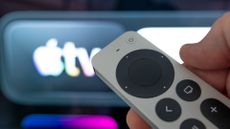 New Apple TV 4K will be available to pre-order from tomorrow, claims expert who also reveals the full release date
We should finally be able to purchase an all-new, upgraded Apple TV 4K from tomorrow, 13 October
-
 This whacky Japanese moving keyboard may be the future... or not
Google Japan has come up with a keyboard where the keys move towards you, rather than making you move your fingers towards them
-
 The best way to show off your Lego collection – this wall frame is expandable and ingenious
The best way to show off your Lego collection – this wall frame is expandable and ingenious
-
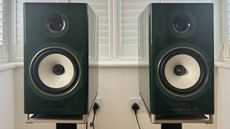 Triangle Capella 2 review
This active wireless standmount stereo speaker system has much that impresses
-
 Samsung could have an exciting AirPods Max challenger in the works
New high-end headphones from Samsung could launch in 2027
-
 Apple's touchscreen MacBook will be announced on this date
Serious updates are coming to the MacBook family
-
 Samsung Galaxy Tab S12 Ultra review: Still the ultimate Android tablet
Samsung's mega-tablet upgrades with a little more power
-
 RedMagic 12 Pro+ revealed ahead of launch – could be a serious flagship beater for mid-range money
This gaming phone could pack in everything you're looking for
-
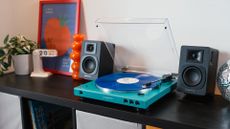 Only the boldest vinyl enthusiasts need apply – Audio Technica's latest turntable is teal-y good
Bring a bit of pop to your home décor
-
 Amazon Alexa Tablets are here, and they're gunning for the iPad Pro
It's out with the Fire Tablet and in with Alexa Tablet – these next general Amazon devices offer some serious competition to Apple's offerings
-
 This is the Oppo Find X10 Pro Max and this is when you'll be able to buy it
It's been a long tease, but we finally have a global launch date
-
 PlayStation VR2 seems to be the end of Sony's virtual ambitions – sells all patents to Meta
PSVR2 looks to be the last headset Sony will make for PlayStation consoles
-
 Microsoft's MacBook-rivalling Surface Laptop Ultra now available to pre-order
There's also a massive trade-in incentive
-
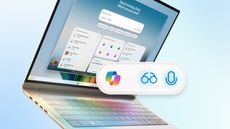 Windows is getting its most significant upgrade in half a decade – here's what that means
Thought you'd escape from AI today? Sorry, you won't
-
 This pro controller does one thing that everyone should mimic, and has one big flaw
SteelSeries is so close to perfection
-
 The "world's first" Freely box has plummeted to its lowest price yet – but you only have hours left to get the deal
The Netgem Pleio streamer is down to a super low price for Prime Big Deal Days, just be quick about it
-
 Best retro gaming Prime Deals LIVE – handhelds, consoles, games and more
I'm a retro gaming expert and these are the biggest bargains I've found for Prime Big Deal Days
-
 As a 4K Blu-ray superfan, I recommend these 7 discounted movies
Streaming just doesn't cut it versus the real-deal of physical media
-
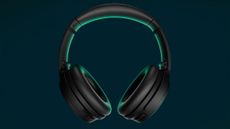 Bose's incredible noise-cancelling headphones are now almost half price
The QuietComfort SC has a 44% discount
-
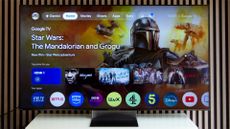 3 TVs we recommend that are currently discounted
A number of models have been reduced for Amazon Prime Day
-
 I've found the best Amazon Prime laptop deal – this Lenovo is just £399
Lenovo's IdeaPad Slim 3 is almost half price
-
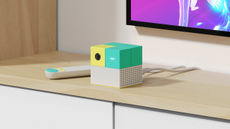 Everyone's talking about the Nex Playground games console, especially with 24% off in the Amazon Prime deals
Save £65 on a new games console the whole family can enjoy
-
 Ray-Ban Meta glasses get a genuinely useful upgrade that all wearers will likely use – and it doesn't need the camera
This could be a game-changing feature for the controversial glasses


