Oura snaps up gesture startup in a move that could change how wearables work
The smart ring maker's latest acquisition hints at a future where wearables respond to subtle hand movements


Smart rings are brilliant at tracking health, but interacting with them has always been a bit awkward.
Without screens or buttons, most rely on companion apps for everything from checking sleep scores to adjusting settings.
It seems smart ring maker Oura may be exploring a new way to solve that problem.
The Finnish wearable company has acquired Doublepoint, a Helsinki-based startup specialising in gesture-recognition technology that allows devices to interpret subtle hand and finger movements.
Financial terms of the deal weren’t disclosed, but the acquisition suggests Oura is looking beyond traditional app-based controls as it continues to expand its wearable ecosystem.
The hand as a remote control
Doublepoint’s technology focuses on detecting tiny hand movements using motion sensors and AI algorithms.
In demonstrations, the system can recognise gestures such as finger taps or small wrist movements and translate them into commands for nearby devices.
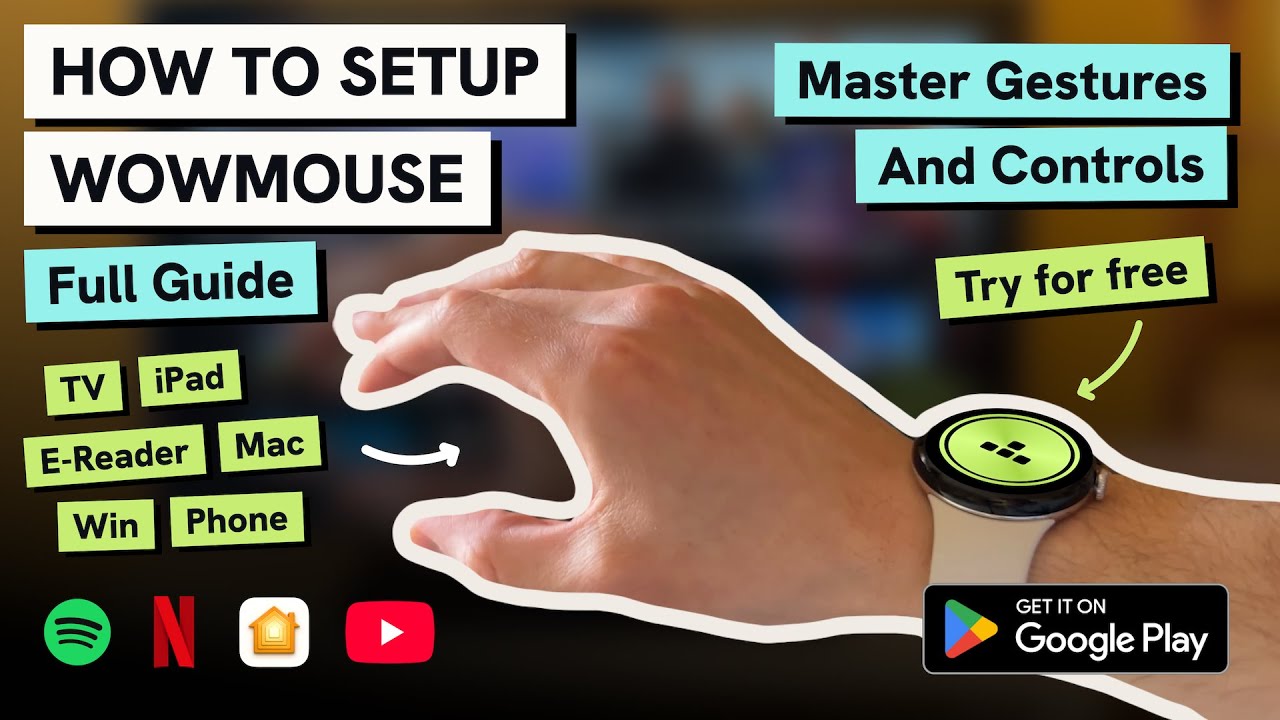
For a product category like smart rings, that kind of interaction could be particularly powerful.
Devices such as the Oura Ring 4 are designed primarily for passive health tracking, collecting data on sleep, recovery and activity throughout the day, with most interaction happening on a smartphone rather than the ring itself.
Gesture recognition could change that dynamic, enabling the ring to detect micro-gestures and let you dismiss notifications, control music, or interact with connected devices without touching your phone.
A different way to control devices
Gesture input has already started appearing in mainstream wearables, most notably in Apple Watches and Samsung Galaxy smartwatches.
The Apple Watch Series 9 introduced the Double Tap gesture, which lets users answer calls or pause music by tapping their thumb and index finger together.
Samsung has taken a similar approach with its Samsung Galaxy Watch lineup, which supports gestures such as pinch and double pinch to interact with notifications, control media or trigger actions without touching the screen.
While the feature relies on sensors built into the watch, smart rings could arguably be an even better fit for gesture control.
Positioned directly on the finger, they are well-placed to detect subtle movements that larger wearables might miss.
This type of interaction also fits into a wider trend sometimes described as “ambient computing”, where devices fade into the background and respond naturally to human behaviour rather than requiring constant input.
A glimpse at the next wearable interface
Oura has been steadily expanding its platform beyond sleep tracking, adding AI-powered insights and personalised health guidance within the Oura app.
Bringing gesture-recognition technology into the fold could open the door to new forms of interaction between users and their wearable devices.
While the company hasn’t confirmed how Doublepoint’s technology will be integrated into future products, the acquisition hints at a possible direction for the broader wearable industry.
Read more about the story in Oura's blog.
