I tried 'posture walking' for a week, and honestly, I feel taller
Why how you walk matters more than how far you go


Japanese walking. Interval walking. Trail walking. Backwards walking. If there’s a trendy walking style doing the rounds, chances are I’ve tried it – and why not? Walking is low-intensity, joint-friendly, accessible to almost everyone, and genuinely great for mental health and overall longevity.
It’s the unsung hero of fitness, and more people are finally seeing it as a legitimate workout. But the latest twist promises to do more than just boost your step count. “Posture walking,” as it’s called, claims to help you stand taller, move better, and undo the slouching that comes from too much sitting.
So, me being me, I laced up my walking shoes, and I committed to posture walking for a week to find out whether it’s just another wellness fad - or something that genuinely works.
What is posture walking?
Unlike traditional walking, posture walking is all about how you walk, not how far or how fast. It’s a mindful, technique-driven approach that asks you to align your body with every step: head tall, shoulders back, core engaged, and each stride smooth and efficient.
Think of it as upgrading your daily walk into a mini posture workout without needing extra props like a weighted backpack - or balancing a book on your head. The key? Consistency. Posture is a habit. The more you remind yourself to realign, the more natural it becomes.
It’s also about reducing strain on joints, particularly the shoulders, neck, and back, making it ideal for anyone who spends hours at a desk or looking at screens.
I tried 'posture walking' for a week

Have you ever glanced at yourself in a shop window, and instantly pulled in your core, and straightened your spine? That’s basically posture walking in action. You’re catching yourself and correcting yourself and walking that little bit taller.
For a week, I treated my daily walks as opportunities to improve my posture, paying attention to alignment, core engagement, and mindful movement with every step. Here’s what I learned along the way.
Good posture improves balance
Posture walking trains your body to maintain alignment, which naturally improves your balance. This is particularly important as we age - being intentional about posture can reduce falls and improve your overall stability and spatial awareness.
Good posture boosts energy
Slouching is surprisingly draining. Walking upright with awareness made me feel more alert, energetic, and alive. It’s subtle, but the difference is noticeable - even after a quick evening stroll.
Good posture improves breathing
When slumped forward, your chest is compressed, and your lungs can’t fully expand. Straightening up opens the ribcage and improves oxygen intake. Even a short walk felt easier to breathe through once I focused on alignment.
Good posture strengthens core muscles
Being mindful of posture engages your midsection. I could feel my core working as I walked, without needing crunches or planks. Over time, this builds strength, improves balance, and supports overall stability.
Mindfulness and body awareness
Perhaps the biggest takeaway: posture walking trains you to move with intention. You become aware of your alignment, stride, and body mechanics - and that awareness carries over into other activities, especially when it comes to enhancing my running form.
Improves confidence and mood
There’s something about walking tall that affects how you feel - not just physically, but mentally too. After a few days, I noticed I was moving with more presence and energy, which felt super empowering.
Supports healthy digestion
It might sound surprising, but your posture can actually influence how well your digestive system works. When you walk with a slouched posture, you compress your stomach and intestines, which can slow digestion and make bloating or reflux feel worse. Standing tall with your head aligned over your spine gives your organs more room to do their job efficiently, making posture walking a smart choice after lunch or dinner.
How to walk with a better posture
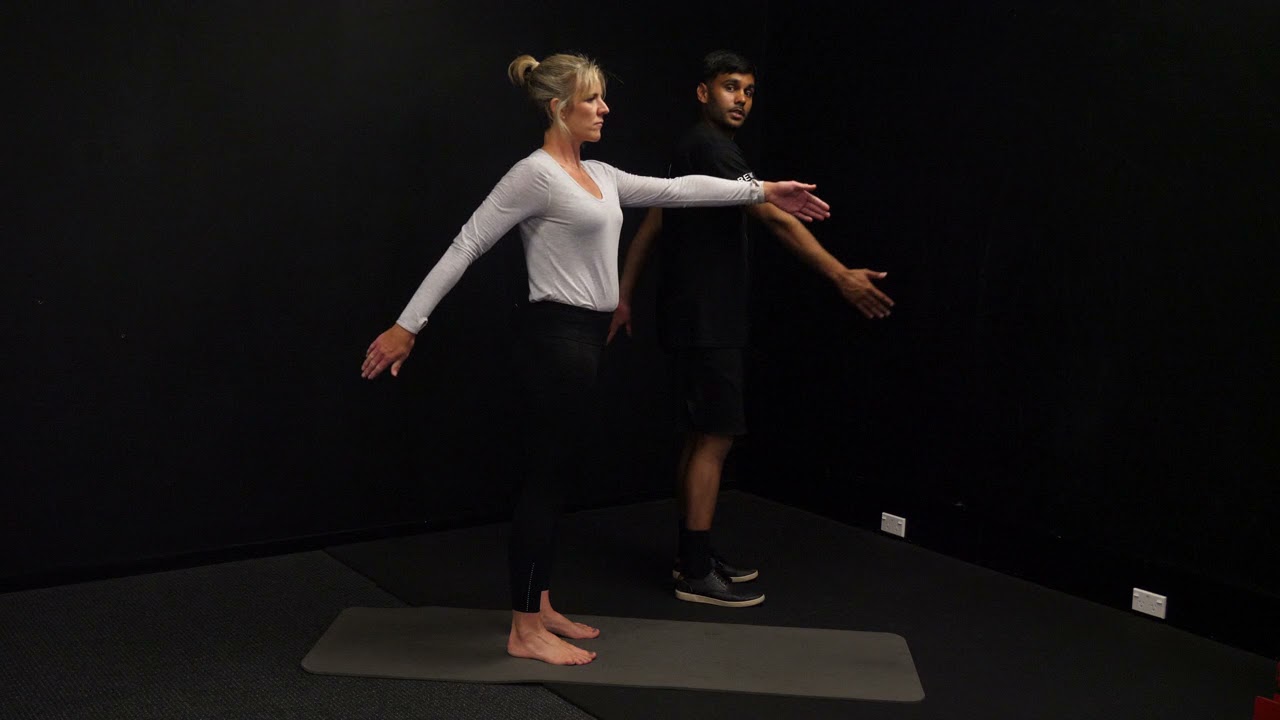
Here are the guidelines I followed as I stepped it out:
Head and Neck: Keep your head tall, eyes forward. Avoid craning your neck or, worse still, looking down at your phone.
Spine: Imagine a string pulling you gently upwards from the top of your head - your spine naturally straightens and you stand taller.
Shoulders: Relax and roll them back slightly. Poor posture can strain your neck, back, and shoulders.
Core: Gently engage your midsection; think of holding your stomach in without forcing it.
Stride: Walk heel-to-toe with a smooth, even step. Avoid overstriding or leaning forward.
Mindset: Focus on quality over distance or speed. Check in every few minutes to ensure alignment.
Start with short walks of around 20–30 minutes, and gradually build up. You can combine posture walking with your regular walking routine or do it on its own. At first, treat it as a dedicated “I’m lacing up my trainers and heading out for my posture walk” practice - until it becomes second nature.
Worth a try?
After a week of posture walking, I genuinely feel taller and more upright. My core feels subtly more engaged, my breathing feels freer, and I’m more aware of how I carry myself. I walk most places anyway, so I might as well walk well.
Walking this way made my walks feel more intentional and offered a nice reset, especially on my journey to the station or after a long day of sitting. As you read this, you can probably feel yourself straightening up a little and feeling an inch or so taller.
If you want to upgrade your daily walks, improve balance, strengthen your core, and stand taller, posture walking is worth trying. You may find yourself slouching occasionally, but if you head out with the intent of walking with good posture, you’ll catch yourself more often than not, and that small awareness makes all the difference.
