The most underrated strength training method is also the fastest
The power of one-set training


Strength training doesn’t have to be complicated or lengthy to be effective. Yes, you need intensity for results, but you don’t need more volume when you can train smarter.
Research in Medicine & Science in Sports & Exercise found no significant difference in strength gains between low, moderate, and high-volume training when the effort was matched, ideal if you’re time-poor and want to get in, work hard, and get out, whether that’s in a lunch break or at the end of the day.
The 2019 study also showed that trained men achieved solid strength and muscle gains from just 13 minutes of focused work, three times a week. Perfect if you’re short on time but still want serious results.
Sure, multiple sets can still work, but one of the strongest takeaways from recent studies is that there’s no single “right” way to train for strength. Ultimately, consistency and challenging the muscles to the point of fatigue are what move the needle.
“When it comes to results, intensity beats volume every time,” says celebrity strength coach Michael Baah. “I use this method with high-profile clients and busy professionals who are constantly on the move. They don’t have 90 minutes; they have 15–30, and on a time budget. The key isn’t time – it’s intent.”
Why single-set training works
Look around any gym, and you’ll see lifters mainly performing 3–5 sets per exercise. Most aren’t training hard; instead, they’re just training long. Attack one set like it’s your last, and strength and time-efficiency skyrocket.
“Fewer sets mean lower fatigue, and the first working set is usually your most neurologically fresh and explosive,” explains Baah. “It recruits the most motor units, especially when taken to near failure. After that, the stimulus drops off unless effort increases. That’s why I always recommend doing your heavy compound lifts first.”

For maximal hypertrophy, volume still counts: roughly 10–20 hard sets per muscle group per week is the key. However, one-set training can still drive growth, especially for newer or detrained lifters.
It’s also ideal for time-strapped yet focused lifters, beginners building tolerance, or anyone looking to maintain strength and movement quality during travel or high-stress periods.
How to do it
“Full-body training is where one-set training shines,” says Baah. “Fewer sets mean lower fatigue, which allows for more weekly training opportunities and better skill retention.”
Baah recommends following this method two to five times per week, depending on your recovery, training split, and lifestyle. “The real power of this method is in frequency and consistency,” he says.
Keep sessions full-body and laser-focused. You’ll hit every major muscle group efficiently, whilst maintaining intensity, and then recovering well enough to repeat it - without burning out.
The workout
A strong full-body session should include 6-10 movements, with one high-quality working set per exercise after a brief warm-up. This gives you the best balance of muscle coverage, efficiency, and recovery. Baah recommends the following exercises.
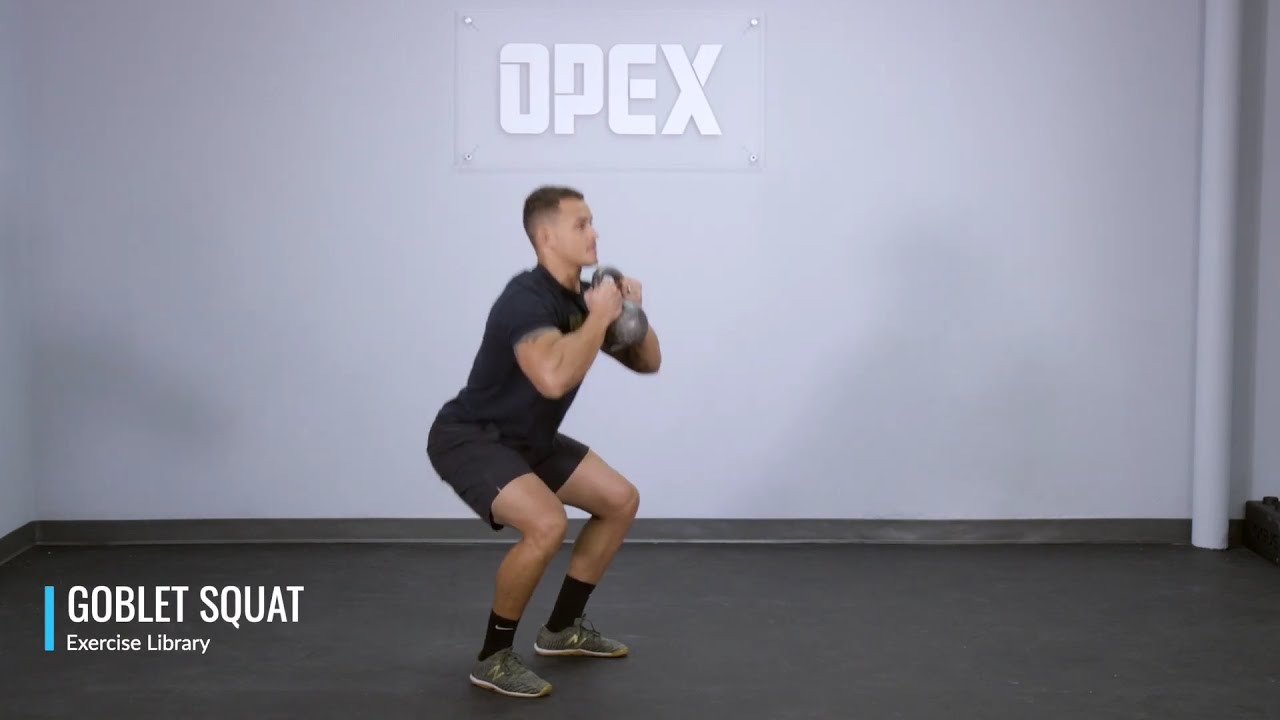
Goblet Squat
Stand with your feet shoulder-width apart, holding a dumbbell vertically close to your chest with both hands, and your elbows tucked in.Keeping your chest high, push your hips back slightly, then bend your knees to lower into a deep squat. Once your thighs are parallel to the floor, push through your mid-foot and heels to stand tall, squeezing your glutes at the top.
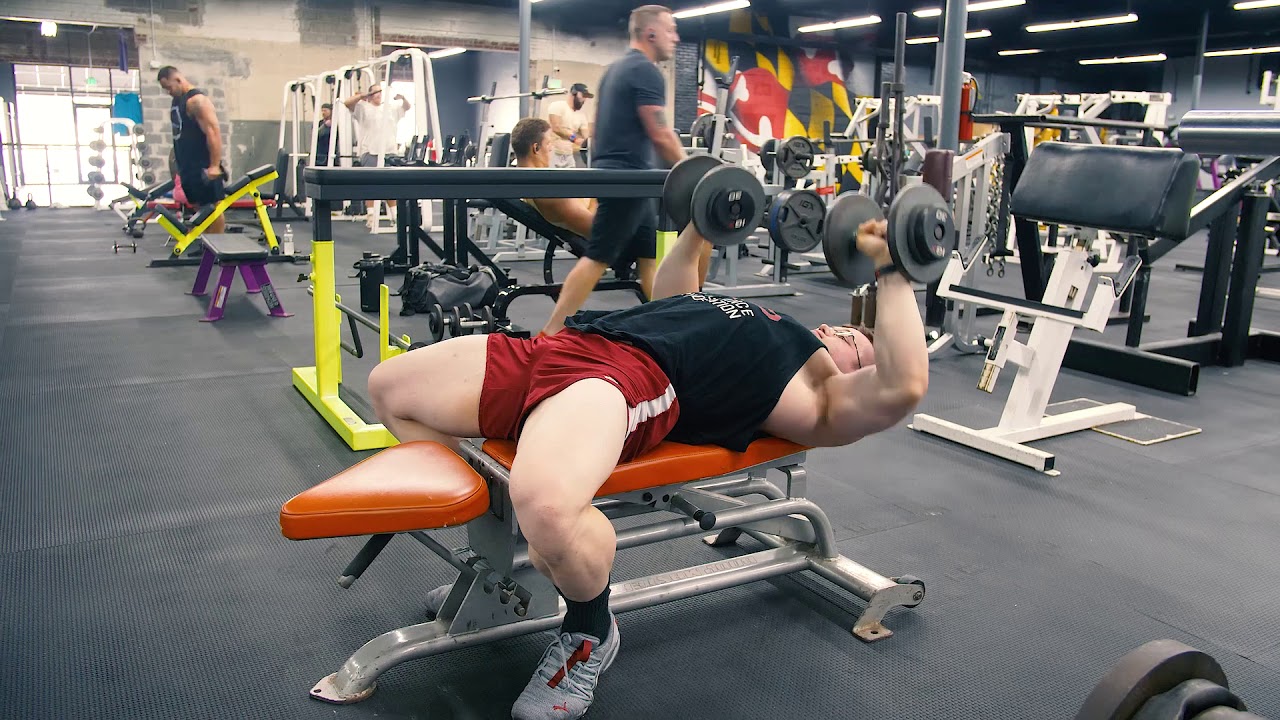
Dumbbell Press
Lie on a bench with your feet flat on the floor and a dumbbell in each hand. Press the weights above your chest with straight arms. Lower them with control until your elbows reach around 90 degrees. Drive the weights back up, squeezing your chest at the top without locking your elbows.
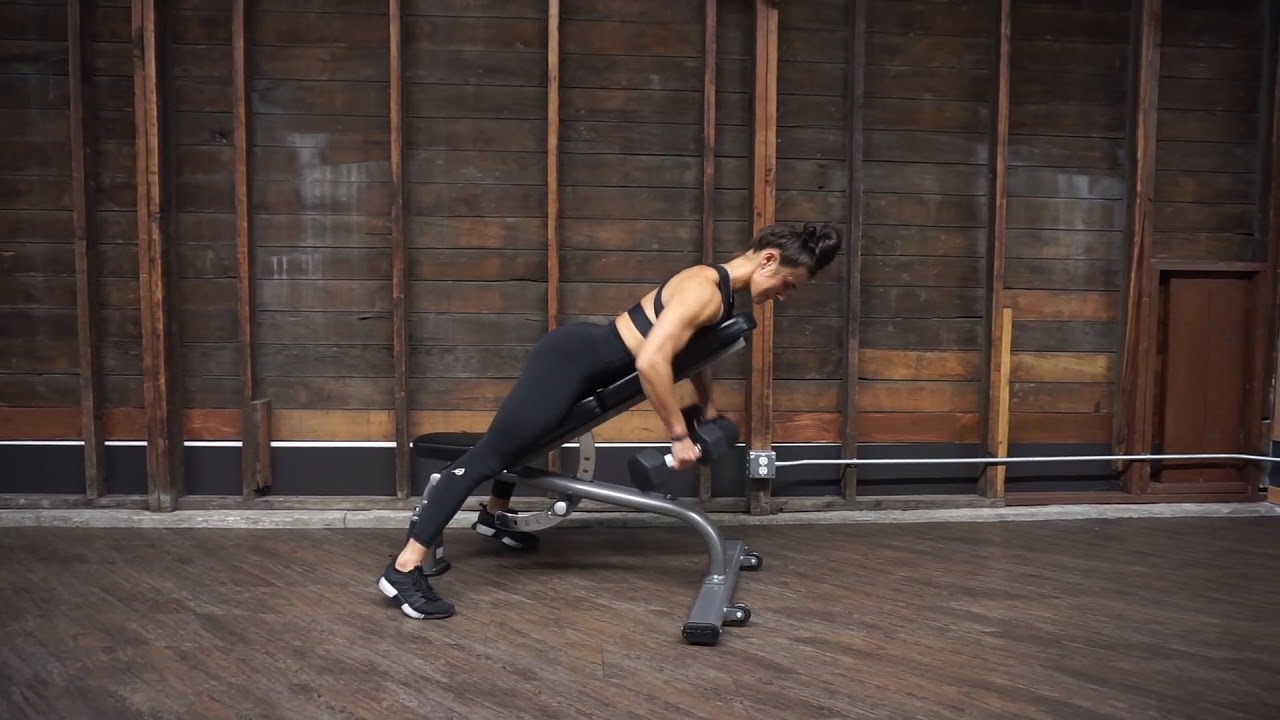
Chest-Supported Row
Lie chest-down on an incline bench with a dumbbell in each hand. Pull the weights towards your ribcage, keeping elbows close and squeezing your shoulder blades together at the top. Lower with control until your arms are fully extended.
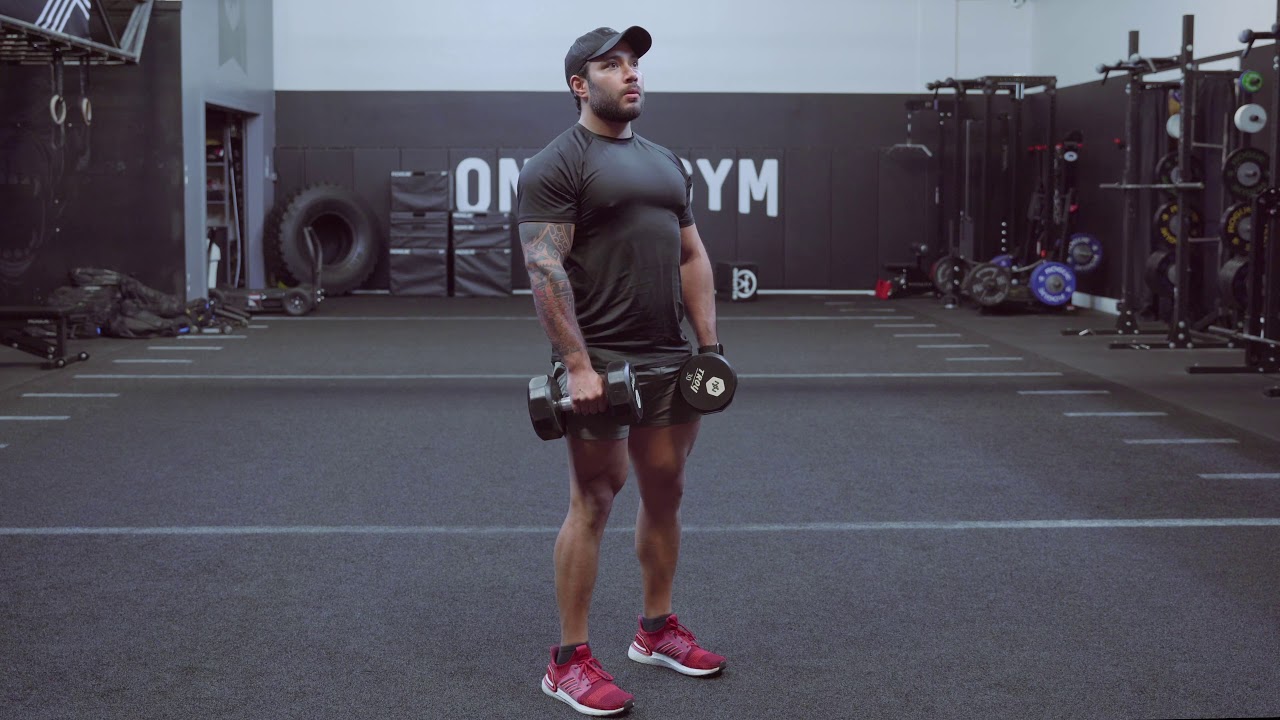
Stand with dumbbells at your sides. Hinge at the hips, pushing them back as you lower the weights towards mid-shin, keeping a neutral spine and soft knees. Drive through the heels to stand tall, squeezing your glutes at the top.
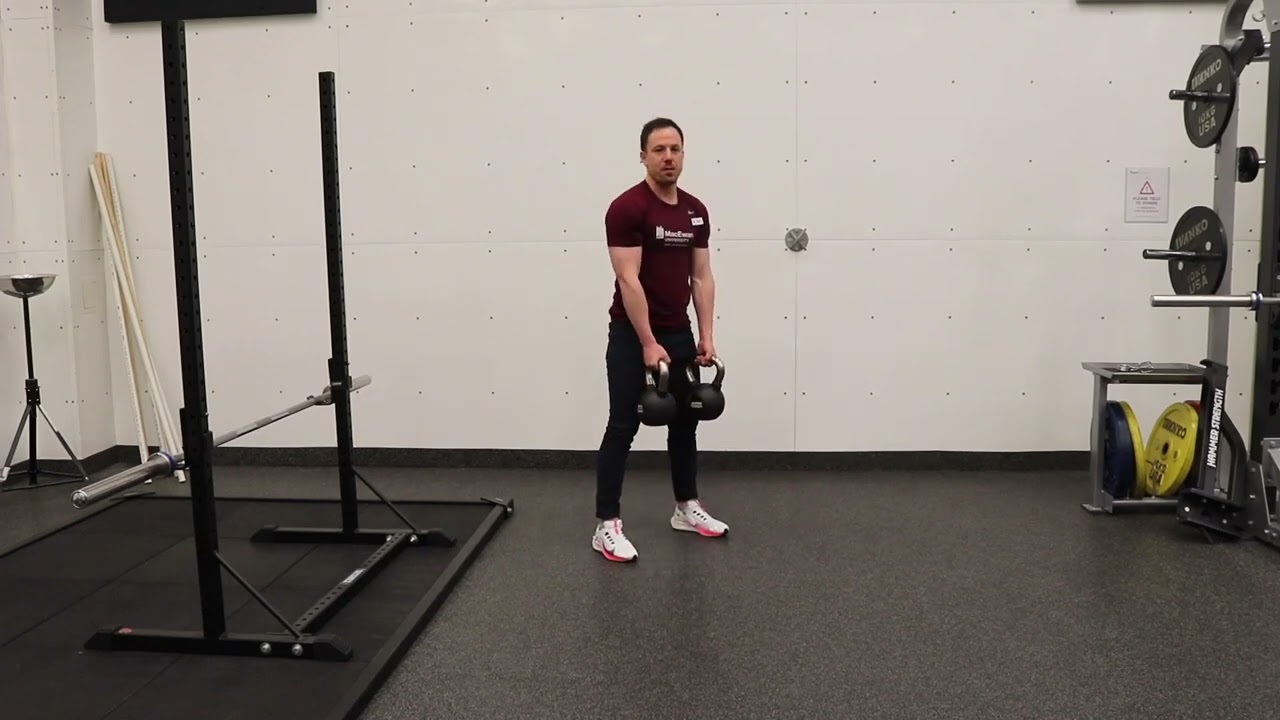
Loaded Carry
Grab a pair of heavy dumbbells or kettlebells and stand tall. Walk with controlled steps, keeping your core braced and your shoulders pulled back. Continue until grip or posture starts to break down.
(Optional finisher) Med Ball Slams
Stand with your feet hip-to-shoulder width apart, holding a medicine ball at chest level. Lift the ball overhead with your arms straight, keeping your core braced. Slam the ball down to the floor with power. Use your lats, core, and quads as you drop into a slight squat and slam to generate more power and maintain control. Pick the ball up with a neutral spine and repeat.
“When working, make sure every set is pushed to around 9–10 on the effort scale,” says Baah. “If you’re chatting between reps, you’re not working hard enough. When you know you only get one shot, focus sharpens, effort intensifies, and wasted time disappears.”
Finishing strong
When training with single sets, it’s important to remember that you don’t need to train to complete failure. Stopping with 1–2 reps in the tank is enough to trigger gains. Focus on slowing down on your last rep, not cruising through.
“If it’s easy, it’s not effective,” explains Baah. “To get the most from each session, track your lifts and aim to beat your previous numbers. Small improvements create big results over time. One set means one opportunity to show up properly. Discipline is doing one set like it’s your last. Because one set done with purpose will always beat ten done with distraction.”
