Apple Watch blood sugar monitoring could soon be a reality - thanks to a clever new breath-testing gadget
A necklace-style glucose gadget is in trials, and it could be the stepping stone Apple’s been waiting for

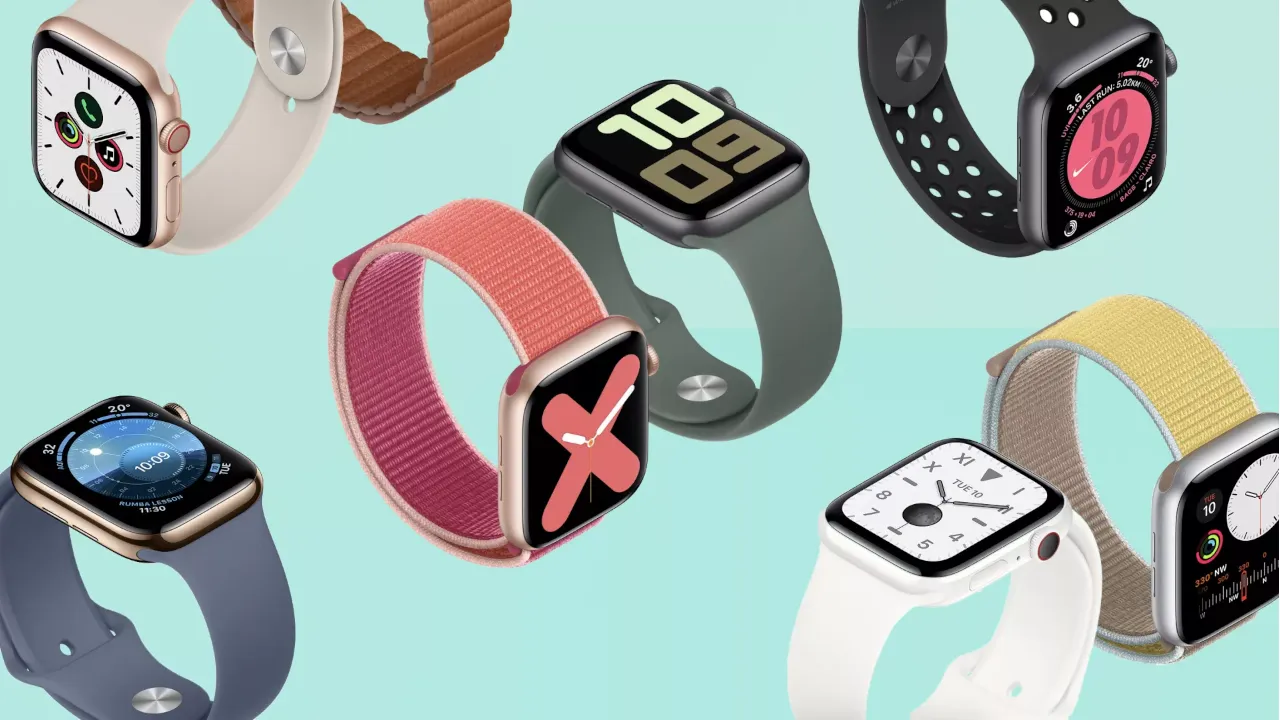
Every year there’s a fresh rumour that the next Apple Watch is finally going to track blood sugar levels without needles - and with every launch, that promise fades, leaving us with the same old “maybe next time” mantra.
But this time there’s at least something tangible to point at.
A new device called Isaac has just entered human clinical trials, and it seems to be tackling the non-invasive glucose problem in a way that actually makes sense - through breath.
Instead of trying to shoot lasers through your skin, it measures volatile compounds (including acetone) in your breath in the same way Lumen does, looking at how those correlate to rising blood glucose levels.
A recent report by Wired says the gadget is currently being tested at Indiana University, starting with adolescents with type 1 diabetes and then expanding to adults with type 2, with the goal of heading towards an FDA review.
Why does glucose tracking matter?
The big deal with glucose tracking isn't just about checking your blood sugar levels - it's how it offers early warning signs for diseases, especially diabetes.
Diabetes affects a massive chunk of the population, and loads of people don’t know they have it until symptoms get serious.
The problem is that the most accurate monitoring tools are still quite invasive, which means most people won’t use them unless they’re already diagnosed or considered high-risk.
That’s why non-invasive monitoring is so important. If you can make a quick, painless check easy enough for normal people to do regularly, there's a good chance you'll spot the risk earlier - and that’s where the real value is.
Could Apple actually use it?

Right now, Isaac comes in the form of a pendant, not a watch feature. Users have to actively test by holding it up and breathing into it, so it’s not constant background tracking like heart rate. And it’s still basically Apple Watch-sized on its own, so there's obviously a big challenge here around size and making this kind of tech smaller.
But if breath-based glucose estimation proves accurate enough to pass clinical validation and regulation, it gives the industry a clearer pathway. And once something works reliably, shrinking it down and refining the user experience is usually the next battle.
So no, your Apple Watch isn’t about to replace a continuous glucose monitoring device tomorrow. But this is the kind of real-world progress that makes the idea feel a lot less like a rumour - and a lot more like an eventual feature Apple’s looking to do properly not too far in the distant future.
