Your next Samsung Galaxy phone is set to get a world-first processing upgrade
Samsung could take the edge with this latest development


Quick summary
Samsung has announced the world's first 2nm chip for smartphones, paving the way for the next-generation of mobile devices.
The new hardware could make its appearance in the Galaxy S26 family in 2026.
Samsung has announced the Exynos 2600, the first smartphone system on chip (SoC) that's built on a 2nm process. It has been rumoured that the Exynos 2600 could power the Samsung Galaxy S26 in some regions.
The important thing about this update is move from 3nm to 2nm, marking the next step forward in the tech that powers devices. The move to 2nm is expected to bring a good step forward in efficiency, thermal management and power and underpin the SoC for the next few generations of devices. For reference, the move from 4nm to 3nm was in 2022, so it's fair to expect three years of 2nm devices.
The announcement of the Exynos 2600 sees Samsung move ahead of Qualcomm – who announced the 3nm Snapdragon 8 Elite Gen 5 in September 2025 and Apple, with the 3nm A19 hardware. It's expected that both rivals will move to 2mn in 2026, but existing timeframes suggest that won't be until September 2026 when new devices appear.
That sets up and interesting position for Samsung when choosing the hardware for its new Galaxy S26 devices. While Snapdragon hardware is preferred (and typically in devices in the US and some Asian markets), other regions like Europe could get the 2nm Exynos 2600, which is technically more advanced.
That might mean there's a real difference between the performance of the Galaxy S26 in different regions.
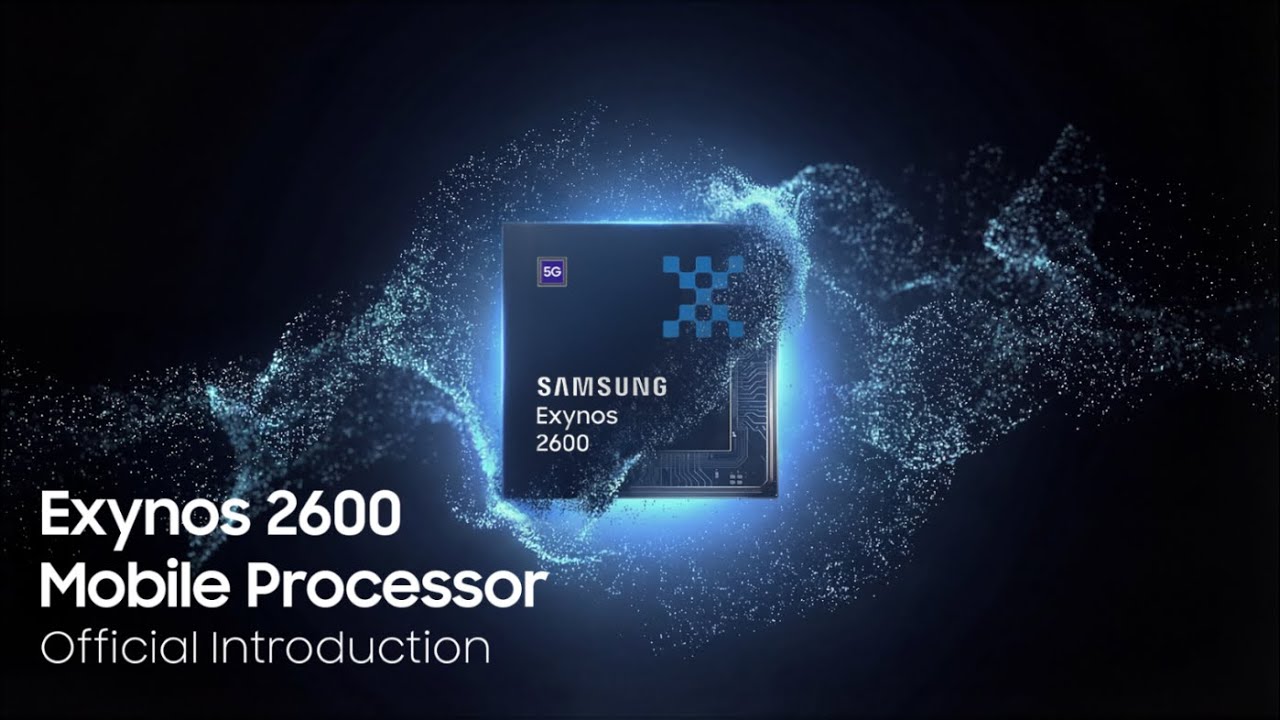
Samsung outlines that that the Exynos 2600 makes a change to its makeup of cores. The previous hardware used a big-middle-little core mix, with each type of core focused on different types of processing. However, in the Exynos 2600, the little core (the core for power efficient tasks) has been dropped in favour of more middle cores.
That makes for a chip that's more powerful overall, and points to efficiency gains across the SoC to justify this switch. Samsung says there's a 39% improvement in CPU performance.
Samsung also highlights gains in on-device AI processing, with a 113% performance increase from the NPU, while graphics makes gains thanks to the Exynos Xclipse 960 GPU, which doubles the performance of its predecessor.

Support for cameras all the way up to 320-megapixels is mentioned, but that doesn't mean that Samsung's next phone will make a huge jump in resolution, rather than there's the power to support the increased data from such a sensor.
Importantly thermal management is improved, which could be a critical part of the performance of this chip. Samsung says that it has an industry-first heat path block, which reduces thermal resistance by 16%, so it can cool down faster. When Samsung refers to its predecessor it's talking about Exynos 2500.
The timing of this announcement means that it's out of the way for CES 2026 launches – where we already know that Samsung is going to focus on new Micro RGB TVs – but exactly how this hardware will be put to use remains to be seen.
Whether it ends up in the Galaxy S26 or not, Samsung is basically saying that has a mass production 2nm SoC for smartphones and that's going to help drive us in a shift toward this new level of hardware in 2026.
