Buying a cheap back-to-school laptop? Expert picks 3 best student options
Whether Windows or Apple, this trio won't cost the earth – yet won't disappoint

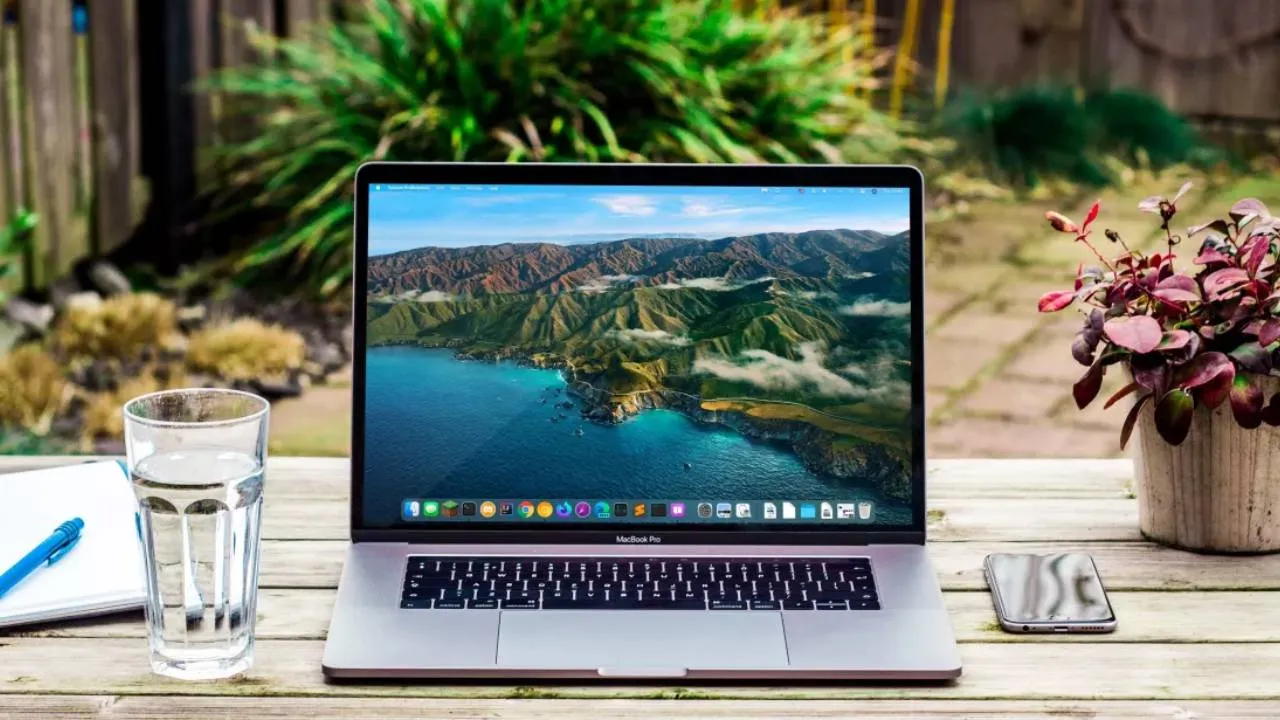
Laptop makers know it's the 'Back to School' season, which is why you'll find various options available in the sales.
Problem is: there are a whole lot of laptops to pick from, right? So what should you opt to buy? Panic not, though, as our experts are here to help.
First up: Windows or Apple? This might be a choice based on how used to one operating system you are over the other, or it might be based on specific app access – which you should check with your school, college or university course.
If Windows is your requirement, then which processor is going to do the job? We've written a piece about Qualcomm V Intel V AMD and the virtues of each – so whether you need on-the-go longevity or outright processing power, that'll help you decide.
Most institutions now suggest that a Chromebook is not the best match for studies (despite earlier school years utilising such budget kit) and the same is typical of using an tablet. Nonetheless, having ditched a laptop for an iPad, some may find it the ideal match.
All said, here are the best 3 laptops for students this Back to School season. We've aimed for the more affordable end of the market, with one a little pricier if pure power is your must-have requirement for more demanding project tasks.
Top 3

HP's Qualcomm Snapdragon X Elite-toting 16-inch laptop is on a great deal at the moment, which assists it as being our Windows pick. The Snapdragon processor is now compatible with majority apps, no dramas, yet delivers exceptional battery life. At this price you're getting a big screen for a small outlay that's well worth it.

Apple's all-new MacBook entry was only released months back, but its biggest selling point is just how low the price is. It's particularly appealing for students, as the compromise to power is minimal – think of it like an upscaled iPhone 16 running full MacOS software. There's even 'Education Savings' pricing to further student appeal.

If you need an extra kick of power to support higher-demand projects, however, then you'll need a little extra cash to climb the ranks. That said, Apple's MacBook Air 13-inch does a sterling job – which is why you'll see colleges and campuses packed with them. It's portable, it's powerful, and it won't cost you MacBook Pro prices.
Pricing
Technically, the MacBook Neo is the most budget laptop of this trio. But it's the HP's discount price that manages to under cut it at the time of writing – giving a great head-to-head asking price in the £549-599 region.
The MacBook Air is more than double that for its latest M5 processor version. But you don't have to buy the 2026 model, as the M4-toting 2025 version, if available for less, is a very good alternative – that you should be able to get for £999 or under.
What's Unique?
HP OmniBook 5
While 'being a Windows laptop' isn't a unique feature by any means, in this trio of selections it's that operating system that does set it apart from Apple's MacOS.
That'll be a benefit if you're looking to run EXE file types, with some specialist software lacking on Mac (which uses DMG/APP) – especially for some educational, design and programming software.
Qualcomm's Snapdragon Elite X processor isn't to be sniffed at, either, delivering plenty of power – but great efficiency. So if you're going to be on-the-go and unplugged then the epic battery life here is a winner.
MacBook Neo
Apple's budget MacBook is like nothing else in the range – and not just because it's got lots of colourful finishes to pick from.
The Neo skips the typical M-series silicon for the Apple A18 Pro, just as you'll find in an iPhone 16 Pro handset. But this isn't just an iPhone on a bigger scale, it's capable of running full MacOS and associated apps.
The real winner for the Neo, of course, is the trim asking price. This is several hundred cheaper than anything else in Apple's laptop roster, yet the compromise isn't to excess. For many students it'll be ideal and, like its Windows competitor, the battery life is great too.
MacBook Air
If you need a good bit more power, without tickling the 'multiple thousands' box when it comes to price (that's the reserve of the MacBook Pro), then the MacBook Air is a savvy pick.
Its iconic design is seen everywhere for a reason. It's well built, long-lasting, M-series silicon is very powerful, yet the battery life remains massive per charge (thanks to optimisations that Apple gains from controlling all its hardware and software).
You might find connectivity a drawback – USB-C Thunderbolt ports are all that's offered – as you'll need an adapter to plug in an HDMI or larger USB-A peripheral, which is more typical of Windows laptops.
Conclusion

When all's said and done, however, price is a major factor in buying a shiny new Back to School laptop. And it's here that the MacBook Neo is just undeniable.
If Windows is a must then, by all means, look to HP's great-priced option. And if more power is the demand then the step-up MacBook is ideal – even if the price doubles.
All three are great picks, but for the best all-rounder it's the Neo that takes the student crown. A+
Honorable mentions
There are many, many alternative options that could be included here, such as those in our best laptops under £500 guide.
The Acer Aspire 3 is a great laptop at the even more affordable end of the spectrum. Alternatively, the Dell Inspiron 15 sits in the same sort of space.
If you can spend a little more, then the Asus Zenbook A14 offers a slim and light build, an OLED screen, and powerful Snapdragon X1 hardware.
Rank up again and the Dell XPS 14 (2026) is the ultimate purchase, but the price is significant – likely too much for students.
If you're in the market for a powerful 16-inch laptop, however, then Samsung's Galaxy Book 6 Pro is like the Windows alternative to a MacBook Pro – and while it's fairly pricey, it's undoubtedly performant.
