I’m a strength coach who trains over-65s and this quick bodyweight workout helps them stay strong and active
Five moves to build the strength, stability and balance you need to stay active for longer


“Getting older is inevitable. Losing your strength isn’t.” Dr Ryan Lowery’s words ring true - decline isn’t just about age. It’s about less movement, less muscle and slower recovery.
Left unchecked, muscle mass begins to decline from around age 30, with losses occurring fastest in the lower legs. The good news? Strength training twice a week can help turn back the clock, and according to Level 4 Advanced Strength and Conditioning Coach Pete Stables, it's non-negotiable for anyone over 65.
“We know that muscle mass, tendon resilience, coordination and recovery time all decline with age,” says Damian Hall, author of Run Forever: The Secrets to Becoming an Ageless Athlete.
“This may sound discouraging, but it’s actually empowering - because every one of these variables can be improved through training. The key is training smart, respecting recovery and working with the body, not against it.” Here’s where to start.
How to do the workout
For this workout, you’ll need a pair of dumbbells, a step or low box and a roman chair, which can be found in most conventional gyms. Perform each exercise for the recommended reps and sets, then move straight on to the next, resting briefly between each move.
“These exercises improve long-term function, balance and stability by challenging the deep core muscles that stabilise your torso, while also strengthening the legs and improving single-leg balance,” says Stables.
This is the kind of functional strength you need for everyday tasks like climbing steps or stepping off a kerb while carrying shopping. “By improving lower-body strength, posture, gait and confidence, you’re protecting your body from falls and injuries,” he explains.

The moves
For adults over 65 who are new to resistance training, quality matters more than quantity. You don’t need high volumes of exercise to make progress. In many cases, one to two challenging sets per muscle group is enough to stimulate strength gains when performed consistently.
Move 1. Standing isometric calf raise
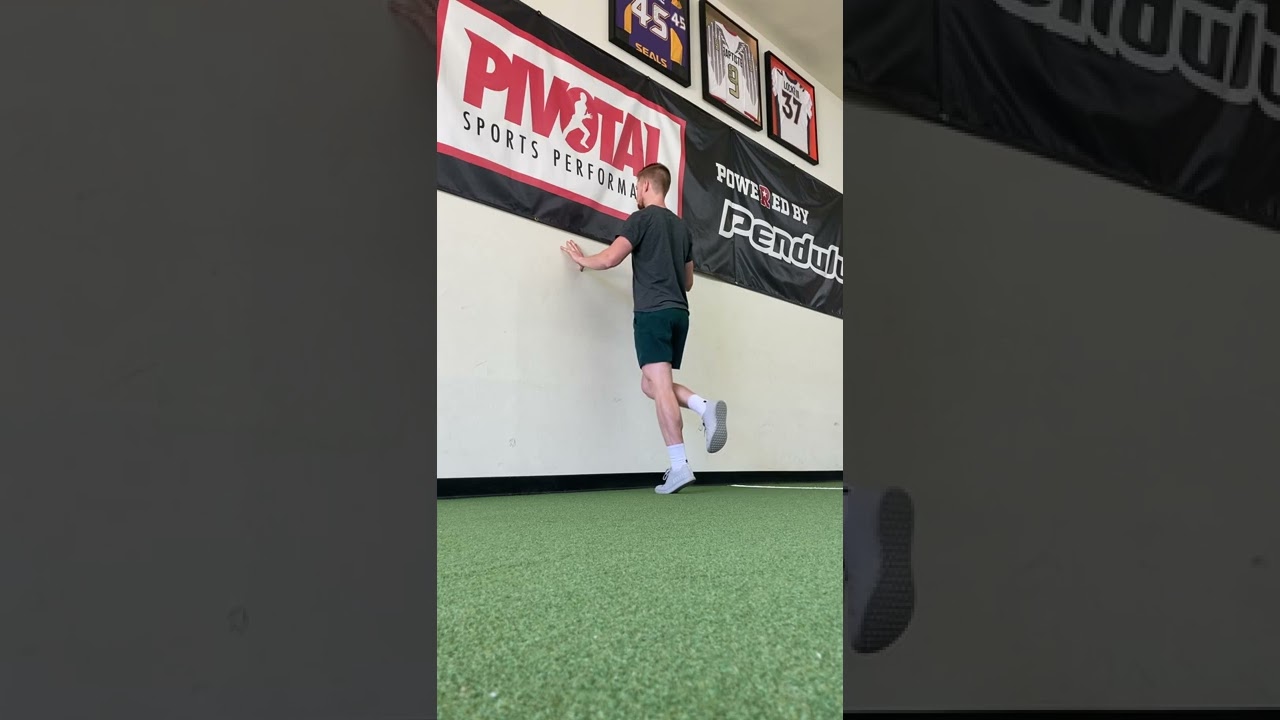
Reps: 10 seconds each side
Sets: 2
How to do it: Stand near a wall for balance. Balance on one leg, then rise onto the ball of your foot, lifting your heel high. Hold the position, then lower back down. Repeat on the other side.
Benefits: Strengthens the soleus muscle, crucial for strong lower limbs and reducing the risk of calf strains and Achilles issues - particularly important given that muscle loss occurs fastest in the lower legs as we age. “It also helps ankle stiffness, calf force and walking propulsion,” explains Stables.
Move 2. Lateral step up

Reps: 5-8 each side
Sets: 2
How to do it: Stand upright with your right side facing a step or low box. Lift your right foot and step sideways onto the box, keeping your torso upright. Bring both feet together, then slowly reverse the movement and return to the floor, landing softly on the ball of your foot. Repeat for the recommended reps before switching sides.
Benefits: This side-stepping movement trains your legs from multiple angles, building lower-body strength while improving single-leg balance and core stability. It mirrors everyday activities like climbing stairs and stepping off kerbs confidently, while helping improve “knee control and stair descent ability,” says Stables.
Move 3. 45-degree hip extension
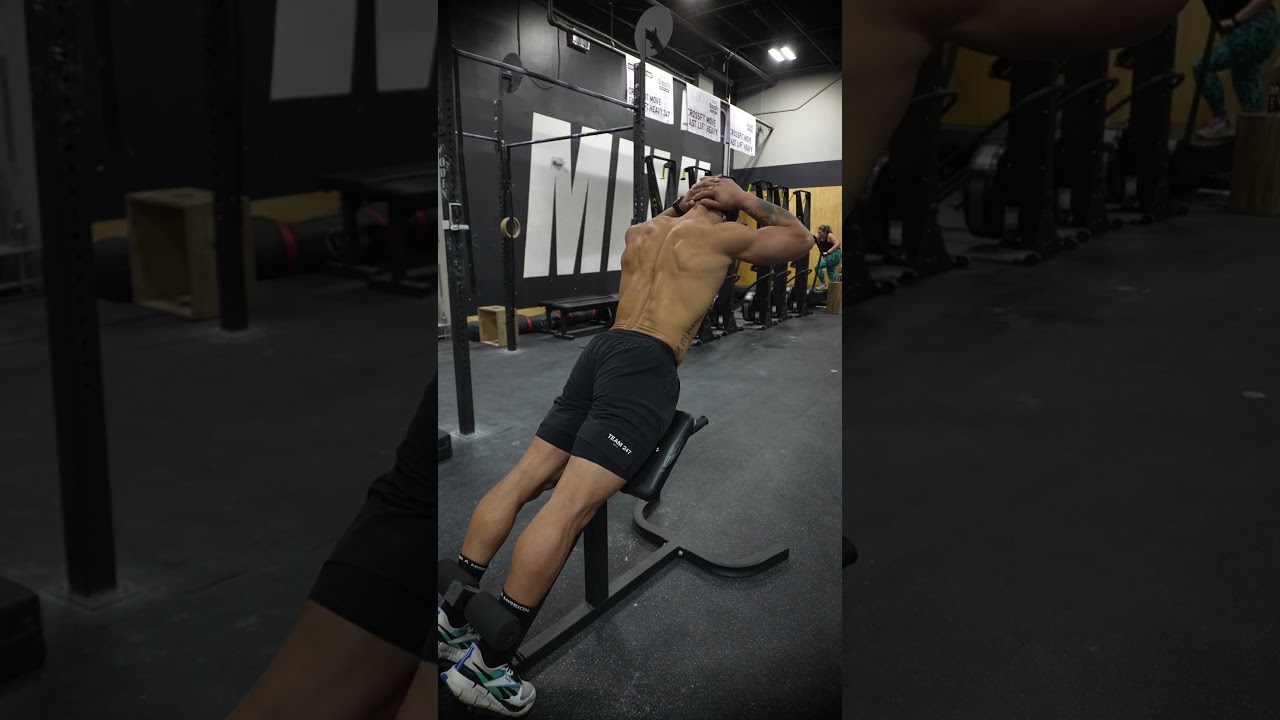
Reps: 5-8
Sets: 2
How to do it: Set up on a Roman chair so the top of the bench sits just below your pelvis, allowing your hips to move freely. Lean forward with your body straight and head neutral, feet hip-width apart. Bend at the hips and lower your torso toward the floor, keeping your core braced and back straight. Stop when your torso is just below parallel, then extend your hips, squeeze your glutes and return to the start.
Benefits: "Strengthens the posterior chain, including the glutes, hamstrings and lower back, which is essential for maintaining posture, reducing lower-back pain and staying strong and upright as you age," says Stables.
Move 4. Plank hold

Reps: As long as possible
Sets: 2
How to do it: Lie face down and prop yourself up on your forearms with elbows directly beneath your shoulders. Before lifting into the plank, engage your core by flattening the gap between your lower back and the floor. Maintain that same engagement in the plank position, keeping your body in a straight line from head to heels.
Benefits: Builds deep core endurance that stabilises your spine during everyday movements - from getting up from a chair to carrying shopping. “A strong core also helps improve posture, balance and reduce fall risk,” explains Stables.
Move 5. Pallof press
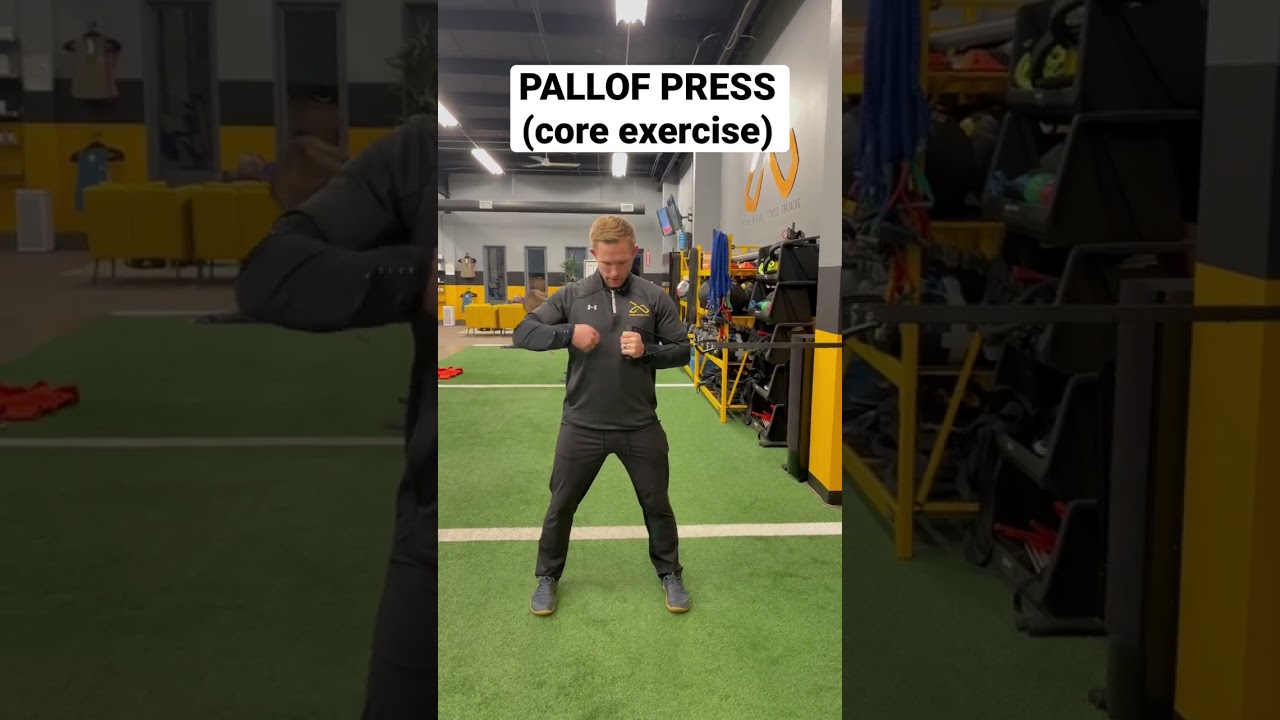
Reps: 10 each side
Sets: 2
How to do it: Loop a resistance band around a stable anchor at chest height. Stand perpendicular to the anchor point and hold the band at your chest. Step back until there is tension in the band, adopt a slight bend in the knees and press the band straight out in front of you, resisting rotation. Return slowly to the start position.
Benefits: An anti-rotation essential that teaches your core to resist twisting - key for protecting your spine, building trunk stability and strengthening the deep muscles that keep you steady during daily movement.
Why these 5 exercises matter
“I’ve created this routine to provide enough stimulus for stronger legs, better balance, improved posture, easier stair climbing, better walking mechanics and greater confidence in the gym,” says Stables.
For beginners over 65, that’s exactly what training should aim to achieve. “Strength training not only helps counter muscle loss and declining bone health with age, but also improves hormone regulation, metabolism and immune function, making us more resilient to injury and disease and improving long-term wellbeing,” adds Hall. “It’s never too late to start”
