The 5 best exercises to build stronger bones after 40, according to an expert
Bone density naturally declines with age, but these five exercises can help slow the process


As you get older, exercise selection can become just as important as how hard you train and how well you recover. While building muscle and strength still comes down to progressive overload and consistency, the exercises you perform each week can also play a major role in maintaining bone density.
Yes, swimming and cycling are excellent for cardiovascular fitness, but because they place very little load on the skeleton, they do little to strengthen your bones. To build and maintain bone density, you need weight-bearing and resistance-based exercise instead.
According to Oscar Trelles, founder of Breathing Flame, creator of the Reverse Aging Challenge, and author of The Human OS Manual, "strength training forces your bones to work against gravity, stimulating the body to lay down new bone tissue and helping to slow age-related bone loss."
In short, bone strength is about far more than reducing the risk of osteoporosis.
"Strong bones support posture, force production, balance, joint integrity, confidence in movement and the ability to stay physically capable for longer," he says. "The key is to combine resistance training, weight-bearing movement, balance and progressive loading."
With that in mind, here are five of the best exercises for building stronger bones after 40.
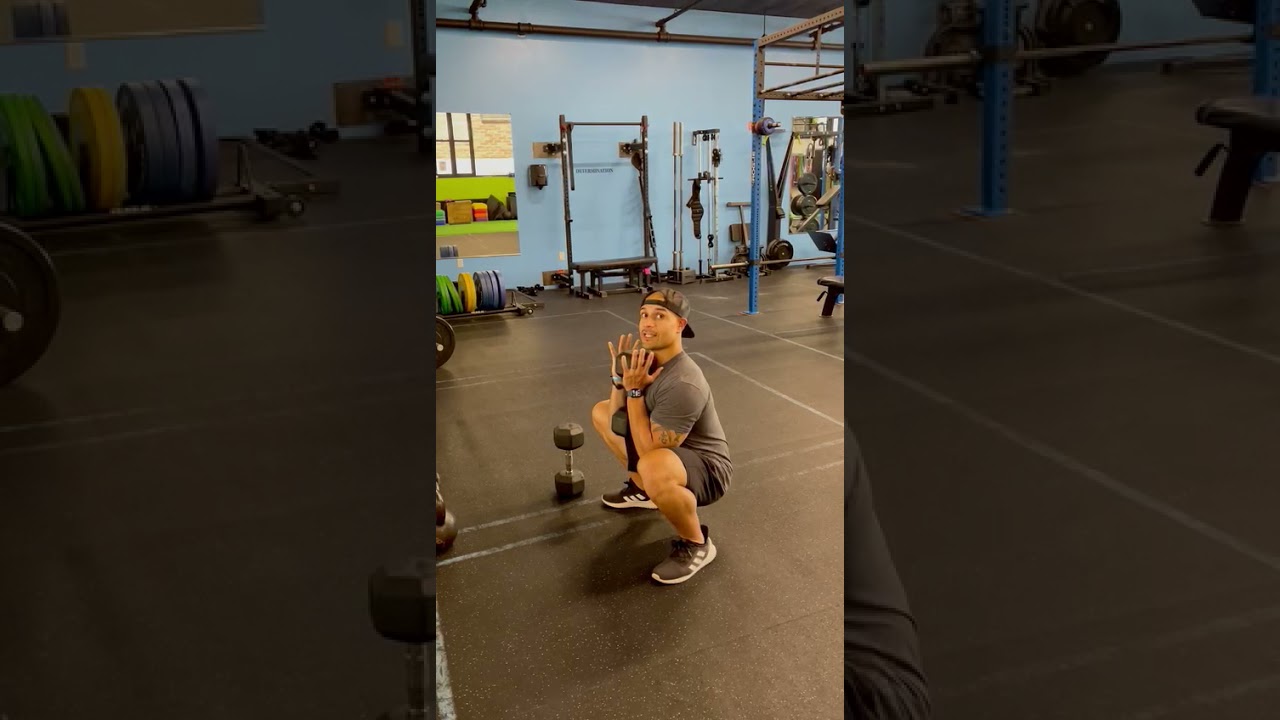
1. Goblet Squat
- Sets: 2-3
- Reps: 8-12
Trelles explains that squats load the hips, thighs, knees, spine and trunk, making them one of the best exercises for maintaining bone strength as you age.
"They build lower-body strength and support the movements men need for daily life, including getting up from a chair, climbing stairs, carrying objects and staying stable under load," he says.
"For men over 40, depth matters less than control. Start with a range of motion you can own, then build gradually. If your knees or hips feel irritated, do a box squat or a sit-to-stand variation instead."

2. Romanian Deadlift (RDL)
- Sets: 2-3
- Reps: 6-10
According to Trelles, the Romanian deadlift is one of the best exercises for strengthening the posterior chain, including the glutes, hamstrings, back, hips and core.
"It helps strengthen the structures that protect the spine and hips, which are critical areas for long-term bone and movement health," he explains.
"This is a movement pattern to learn before going too heavy. Keep the weight modest until the hinge feels clean and repeatable. The goal is controlled tension, not pulling the heaviest weight possible."
3. Step-ups
- Sets 2 - 3
- Reps: 8 to 10 reps per leg
Trelles says that step-ups train your hips, legs, balance, and single-leg control, all while providing a valuable weight-bearing stimulus. "They also help reduce the asymmetry that often appears with age, old injuries or years of sitting," he explains.
For men over 40, he recommends starting with a low step and focusing on control. "If you need momentum to get up, the step is probably too high. Add dumbbells only after the movement is smooth."
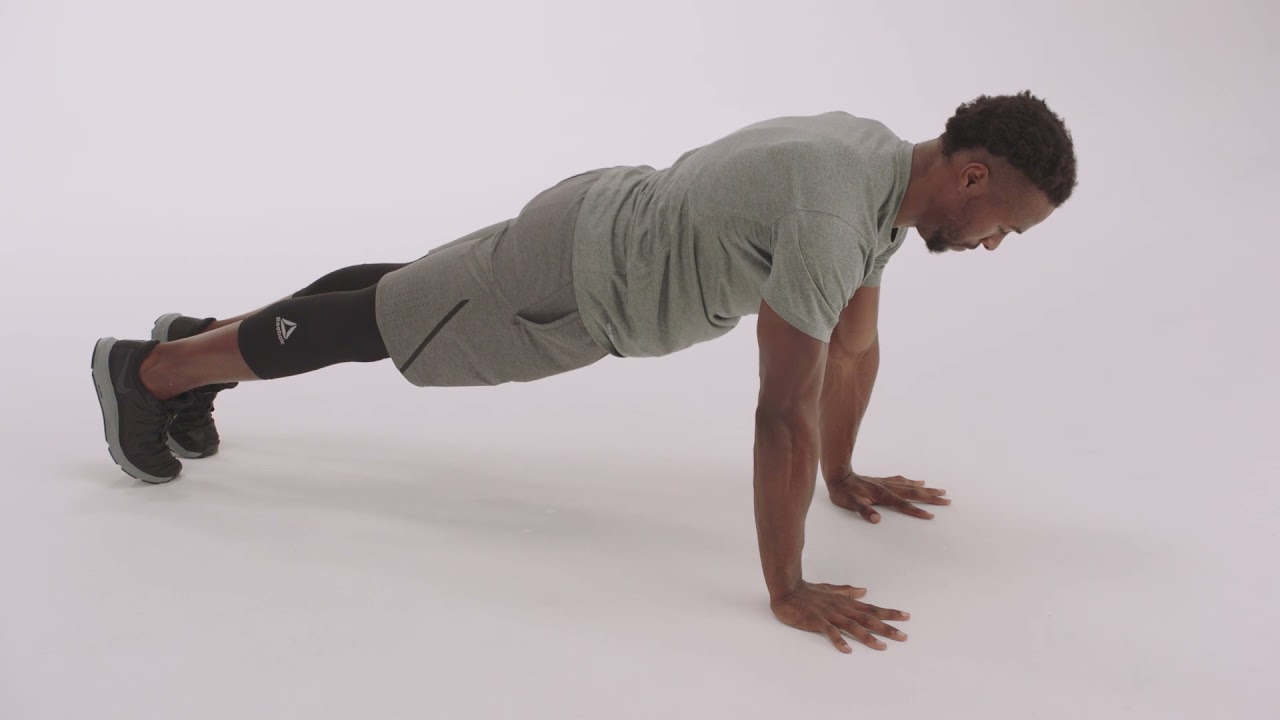
4. Push-ups
- Sets: 2-3
- Reps: 6-10
According to Trelles, push-ups load the arms, shoulders, chest, wrists and trunk, making them a valuable exercise for both strength and bone health.
"Bone health is often discussed through the hips and spine, but upper-body loading matters too, especially for maintaining strength and resilience in the shoulders, arms and wrists," he says.
He recommends using an elevated surface if needed. "A good elevated push-up is better than a collapsing floor push-up. Keep the shoulders controlled and avoid forcing painful ranges."
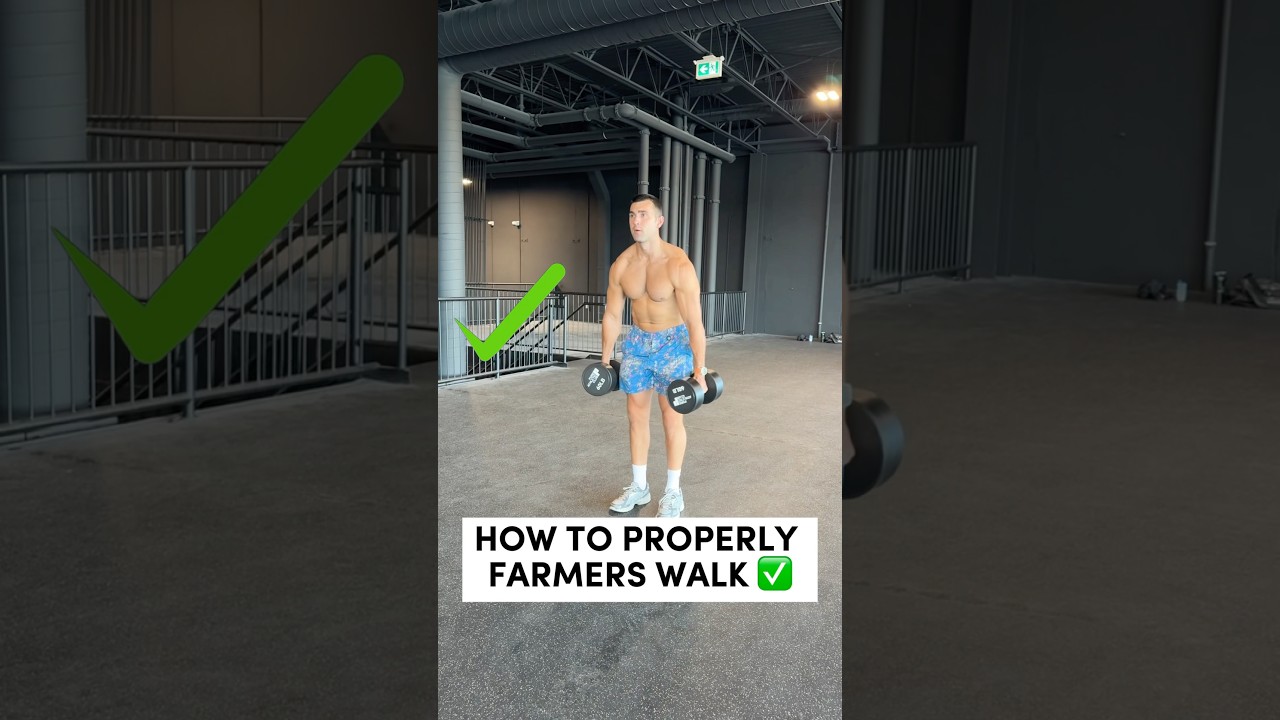
5. Farmer's carry
- Sets: 3-5
- Reps: 30 to 60 seconds
Trelles describes carries as one of the most practical strength exercises you can do.
“The farmer's carry loads the spine, hips, legs, grip, shoulders and abs while training posture and real-world strength," he says. "They also teach the body to stabilise under load, which becomes increasingly important with age."
When performing carries, he recommends prioritising posture over weight. "Walk tall, stay braced and avoid letting the load pull you out of position. The goal isn't simply to carry the heaviest weight possible, but to move well under load."
Build your bones: Why these 5 exercises matter
According to the American Academy of Orthopaedic Surgeons, peak bone mass is typically reached between the ages of 25 and 30, and, by the time we reach 40, bone density begins a slow, gradual decline. Over time, this can increase the risk of fractures and osteoporosis.
"We can, however, take steps to slow bone loss over time, mainly in the form of progressive loading," says Trelles. "Bones adapt when the body receives enough mechanical stimulus, but the stimulus has to be appropriate. Too little load doesn't create enough reason for the body to adapt. Too much too soon increases injury risk and makes consistency harder."
For most men over 40, Trelles recommends two to three strength-training sessions per week using simple movements like the five above, while gradually increasing the load over time.
It can also be beneficial to include regular walking, stair climbing, and, where appropriate, small amounts of low-impact work such as skipping, light hops, or gentle jumping drills. These give your bones the signal they need to grow stronger.
"The biggest mistake is waiting until bone loss, pain or injury forces the issue," says Trelles. After all, prevention is always easier than cure.
"Bone strength is built through years of repeated signals, and the earlier men start treating strength training as basic health infrastructure, the better their odds of staying capable, independent and confident in their bodies as they age," he adds. Your bones. Your choice. Choose wisely.
