Microsoft's the latest tech firm to herald the death of apps – even Windows could take a back seat
The bell tolls for apps as tech CEOs see a drastically different future for devices


Quick Summary
Microsoft has announced Project Solara to develop a software platform that's agent first.
Rather than running an operating system with apps, it will enable local and cloud AI with agentic powers.
Microsoft CEO Sataya Nadella cast doubt on the future of apps in a recent discussion saying: "We're moving from building operating systems – devices for apps – to agents."
The statement came in a discussion with Cristiano Amon, CEO of Qualcomm, about the future of computing where AI agents act on your behalf rather than everything being about the operating system and apps.
Amon leans into this, highlighting that up until now the smartphone has been the centre of the digital world, but with AI able to understand everything, the agent becomes the centre instead, able to do the things without you opening individual software.
This all hinges on a super-personalised version of an AI agent which travels between devices. The easiest reference point is to think of JARVIS, Tony Stark's AI in Marvel movies, that can be accessed basically anywhere, at any time, to do anything.
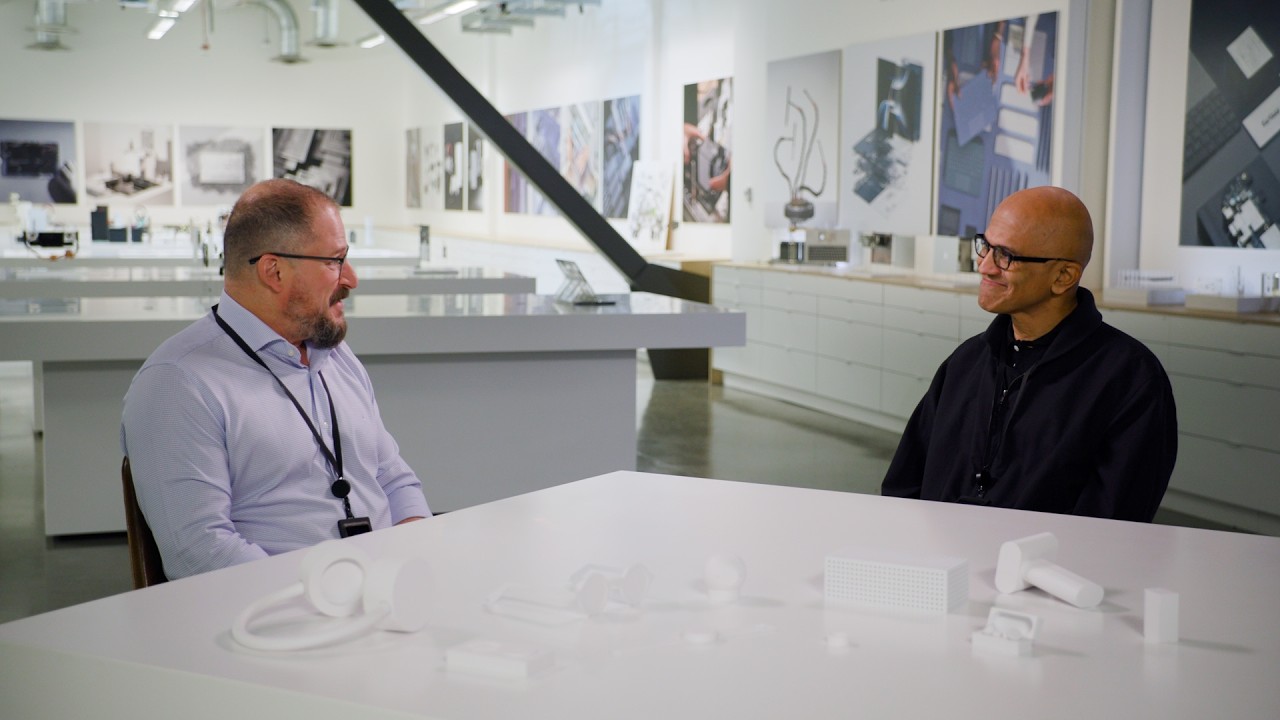
Because this is a discussion between Microsoft on the software side and Qualcomm on the hardware side, there's consideration of the implications for hardware, with Project Solara – which Microsoft just announced during its Build developer conference – being at the heart of this.
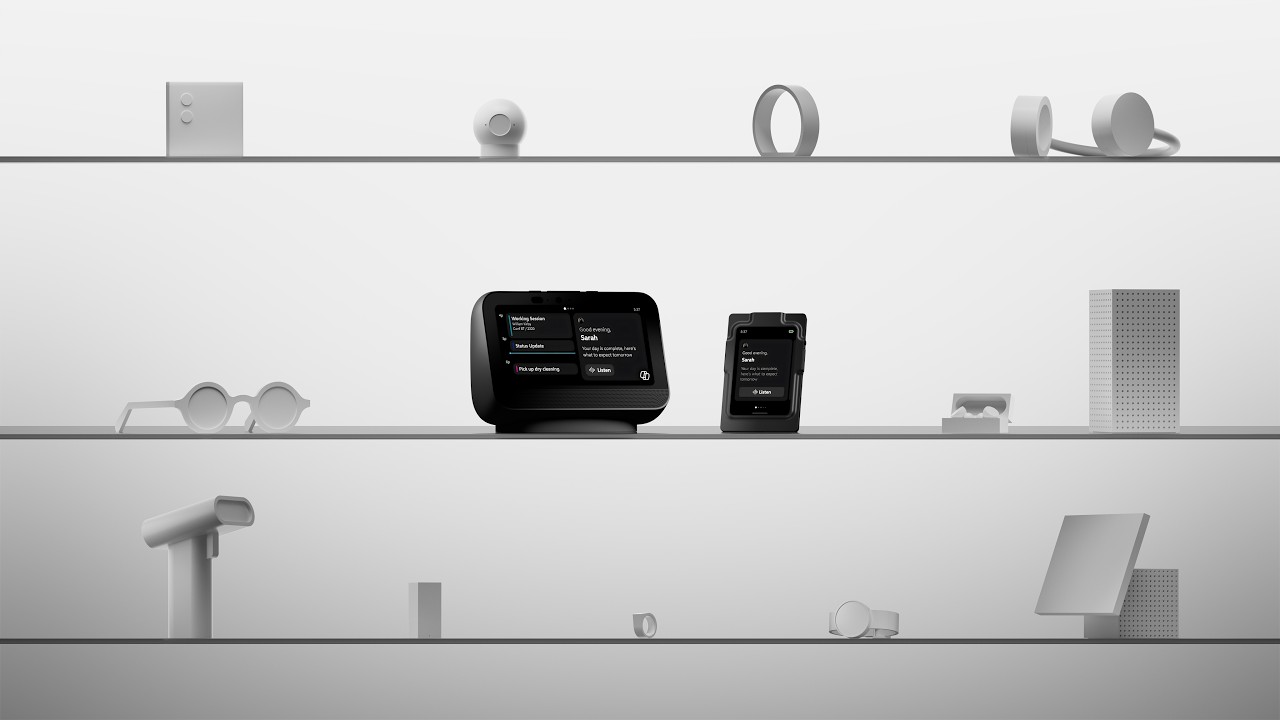
Project Solara is about developing a new agent-first software platform that works with specialised hardware to take the next step in personalised computing.
In an introductory statement from Steven Bathiche, Microsoft says: "We imagine a diverse ecosystem of agent-first devices, from small to large, from fixed to hypermobile, from personal to professional."
One of these concept designs is shown off during the discussion – a tiny AI-equipped computer that looks like a badge on a lanyard. The second is a device more like an Amazon Echo Show with a larger screen. Both are shown in the video below, but are aimed at enterprise, rather than the consumer.
This isn't the first time that we've seen AI-first devices, but it's been a slow start. The Rabbit R1 turned out to be mostly pointless, and the Humane AI Pin suffered the same fate. While some wearables (Ray-Ban Meta, Plaud) have seen some adoption, the fundamental shift here isn't so much about computing, it's about trust.
Trusting that an AI agent can do what you need quickly and easily is a point we haven't reached yet. Yes, AI is very good at transcription and summarising meeting notes, but the voice experience isn't always perfectly smooth.
You can ask Gemini to play music, but you can also open Spotify and play the exact song you want. Sometimes the delay in Gemini is longer than it takes to do the same task manually. And when it comes to more personalised applications, will you trust AI with health and financial data, or even the data about your personal life and relationships?
While Project Solara aims to build the platform for this to happen on, it's likely to be some time before users are happy to step away from the established norms to embrace a future where the AI has all the control.
