Oura Ring just borrowed a page from Garmin's playbook with two clever new fitness features
Your workouts are about to tell you a lot more than how many calories you've burned

Oura has spent the last few years steadily transforming its smart ring from a sleep and recovery tracker into a more rounded health and fitness wearable.
Its latest update continues that evolution by introducing two features to help you understand not just how much you exercise, but how those workouts affect your cardiovascular fitness.
The new Cardio Effort and updated VO₂ max features bring more sophisticated exercise analysis to the Oura app, including personalised weekly training-load assessments and automatic cardiovascular fitness estimates based on GPS-enabled workouts.
Training harder isn't always training smarter
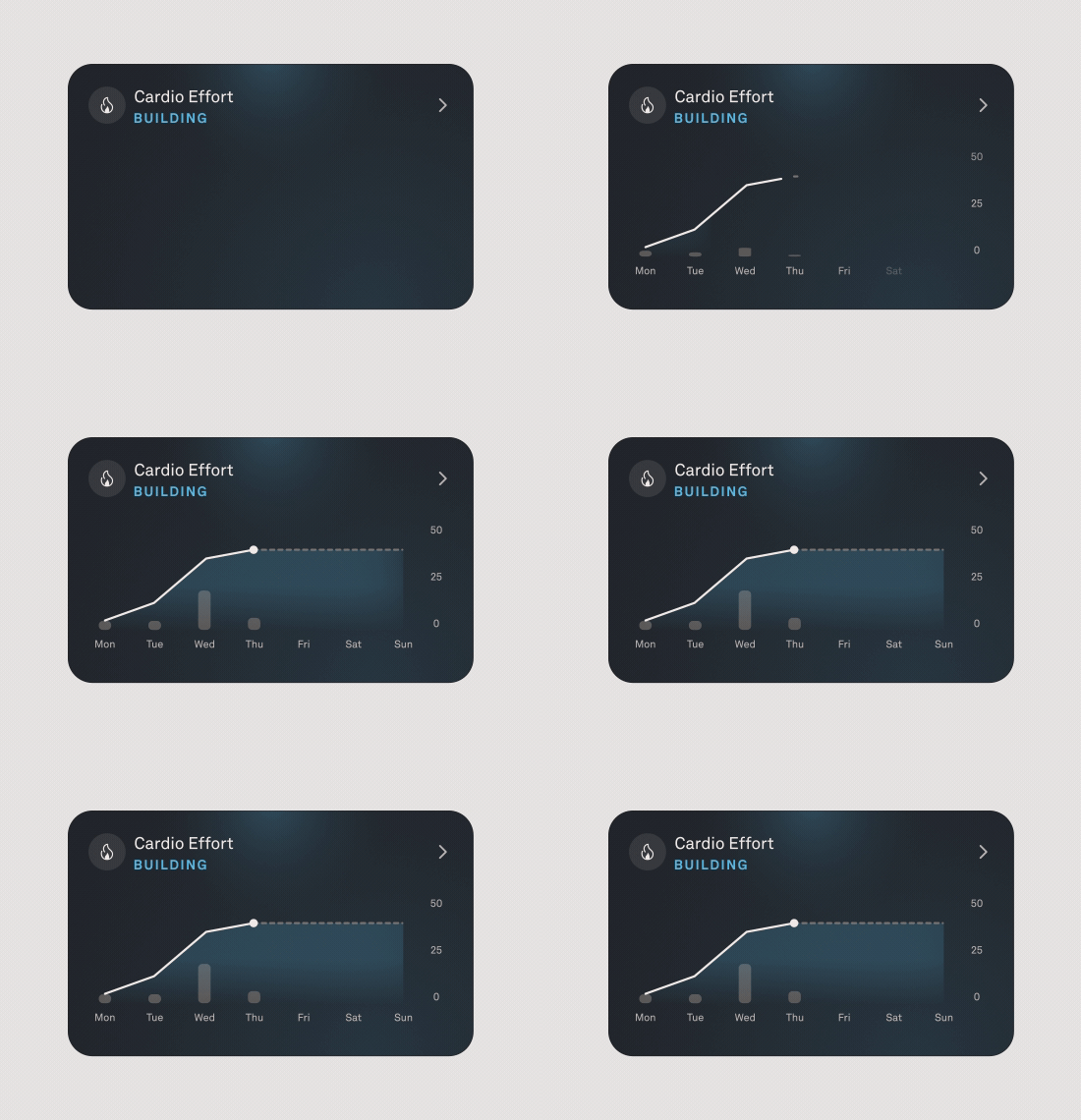
Cardio Effort measures the cardiovascular demands of individual workouts and accumulates those scores into a weekly total.
The feature considers both exercise duration and intensity; a short, demanding workout can contribute as much effort as a longer, low-intensity session.
The system uses Training Impulse (TRIMP), an established exercise physiology framework that estimates the internal cardiovascular load associated with exercise.

Individual workout scores contribute towards five weekly effort categories: Light, Fair, Maintaining, Building and Reaching.
These ranges are personalised using your recent activity patterns to help you understand whether your current exercise routine is sufficient to maintain fitness, potentially improve it or place unusually high demands on your body.
It's not quite the same as Garmin's comprehensive Training Status or Training Readiness systems, but it represents another step towards connecting Oura's established recovery insights with the activities that influence them.
No more walking tests
The second upgrade concerns VO₂ max, one of the most widely used indicators of cardiovascular fitness.
Previously available through Oura's Cardio Capacity feature, the metric traditionally required users to complete a dedicated six-minute walking test to generate an estimate.
(In my experience, it was wildly unreliable.)

The updated system removes that requirement by automatically estimating VO₂ max from qualifying GPS-enabled workouts.
After five eligible activities, you receive an initial estimate, expressed in millilitres of oxygen per kilogram of body weight per minute (ml/kg/min).
The Oura app then assigns a fitness category from Low to Peak, and displays historical trends, highlighting any changes.
You can also manually record VO₂ max results from lab testing or other devices, but these measurements won't influence Oura's own estimate or fitness rating.
Cardio Effort will be available on Oura Ring Gen 3 and newer models, while the updated VO₂ Max experience is launching through Oura Labs for the same generations.
Oura has not yet provided a specific wider rollout date for the VO₂ Max feature.
