I did 50 squat jumps every morning for a week and my energy, strength and mood all improved
A simple tweak to a viral trend turned into a powerful full-body wake-up call


There’s a new trend in town, and it involves doing 50 jumps as soon as you wake up. Why? Aside from waking you up (and everyone else in the house), the latest TikTok fitness craze is said to help with lymphatic drainage, improve your mood, boost energy and increase motivation. Basically, it gets you up and moving.
The thing is, I already get most of these benefits first thing anyway. I roll out of bed and head straight to the gym. So, as part of my warm-up, I committed to the challenge, but swapped the jumps for 50 squat jumps.
I train early because it helps with consistency and gets my movement done before life gets in the way. So 50 squat jumps? No problem. Here’s what I found.
Why you should wake up with 50 squat jumps
“The main reason for jumping 50 times in the morning is that you’ll feel better,” says Kathryn Smith, the creator of the ‘50 jumps’ trend, who is also a Surgical Athletic Trainer.
"It also increases heart rate, which boosts your circulation. It wakes up your cardiovascular system so it can continue working properly throughout the rest of the day.
It improves lymphatic flow, which helps clear your body of waste and enhances oxygen delivery to your muscles and brain to get things started," she says.

"It'll also give your body a sense of, okay, I'm ready to start my day”, because the choices you make upon waking can absolutely have a profound impact on your day.
So, being me, I thought: I already work out first thing anyway, and I don’t fancy just jumping up and down 50 times. I may as well do squat jumps to engage a few more muscles.
So I did. An old trainer used to get me doing 3 x 12 reps as part of my warm-up, so 50 shouldn't be a problem, and it wasn't.
The benefits of squat jumps
“Squat jumps are a fantastic plyometric exercise that target the muscles in your legs and will really ramp up your heart rate, says Maxwell Thompson, Academy Trainer and Personal Trainer at David Lloyd Clubs.
"Not only will they increase your explosive power and improve lower body strength, but they'll burn more calories than regular squats. When performed correctly, they can also prime your muscles and fire up your nervous system, ready for the session ahead."
How to do a squat jump
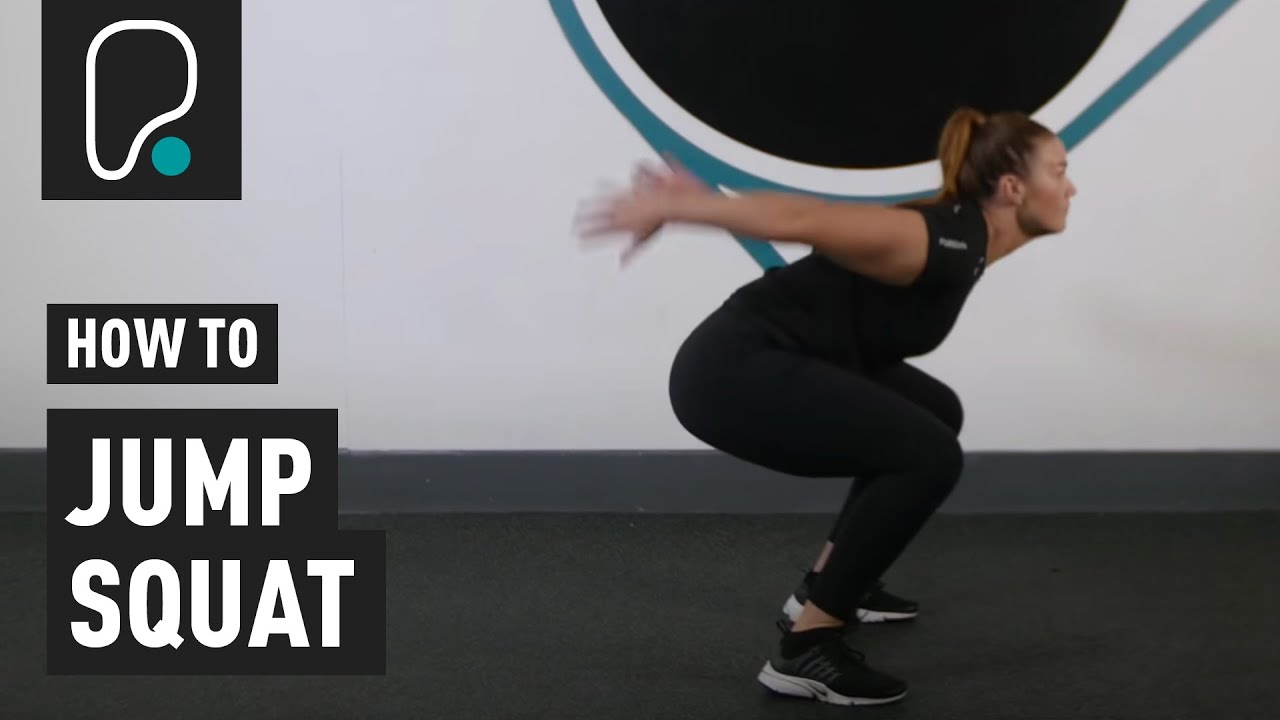
- Stand with your feet just outside shoulder-width apart, toes turned slightly out.
- Squat down with your weight in your heels, chest up high, making sure your knees are tracking over your toes.
- When you hit the bottom of your squat, squeeze your glutes and drive hard through your legs and heels as you launch straight up into a jump. Land softly, then use the momentum from landing to go right into your next squat.
- That's one rep.
I did 50 squat jumps a day for a week and here’s what happened
If you’re anything like me, plyometric, or jump training, isn’t always top of the list. Plyometrics hurt, and I won't lie, when doing 50 squat jumps, I felt it.
But I knew it would get easier, and I was fully aware of the benefits, so I set myself a challenge: one week of 50 squat jumps to wake up my body and start my workout. They wouldn't get forgotten then.
On day 1, I went all in: 50 reps in one go. Big mistake. My quads and lungs were on fire, and not in a good way. My jumps became lower and less powerful after about 30 reps, and I could feel my posture falter, as my chest fell forward, and my knees caved in.
So, on day 2, I changed my tactic and did 5 sets of 10 with a 30-second break. Way better. I could focus on form and explode with every rep, and make every rep count.
By day 3, my quads and glutes felt more ‘awake’. I was firing the jumps using my quads, squeezing my glutes at the top and then using my entire lower body to absorb the landing.
It still wasn't easy, but South African scientists reminded me that weight-bearing exercises, especially jumping, signal bone-building cells (osteoblasts) to lay down new bone tissue, increasing bone density and strength, which is especially important as bone density decreases after the age of 30.
At 43, it's vital for me to now start laying down strong bone foundations and thinking about the risks of osteoporosis, especially with pre-menopause just around the corner.
The rest of the week followed the same formula: short sets, strict form, and getting as much height as possible. Think, deep squat, explode up, point my toes like an airborne ballet dancer, and land softly.
Another thing that helped was using my arms. Swinging them up gave me more height on the jump, while bringing them down helped soften the landing and absorb the impact. It's a tactical move.
By day 7, I had my squat jumps to perfection, and they had earned their place back in my regular routine; who needs regular jumps when you can get the benefits of a squat, too? The quad burn alone was worth it. Plus, the added cardio blast and coordination were a bonus.
Will I continue? I sure will, but I won’t start adding weights or going sloppy with my form. If I want to vary the intensity, Thompson simply recommends “switching up the height of the jump from a couple of inches off the ground to a full tuck jump with the knees getting up into the armpits."
Squat jumps reward power, consistency and good form, and when you get them right, you'll fall into a rhythm that elevates your heart rate and improves cardiovascular fitness.
They really are an all-rounder and will only help with things like my running, and my first HYROX competition, but also looking good in a pair of skinny jeans, too, of course.
