

It’s a hot summer evening, you're in the home office handling the latest last-minute catastrophe before dinner, and a storm hits. Wind, lightning and downed trees leave the rest of the suburb sweltering through a blackout… but you don’t even notice the grid went down.
That’s just one of the benefits of a home battery system like the Anker Solix X1 – which can provide seamless backup power to ensure your busy lifestyle doesn’t get interrupted. Of course, arguably just as important is its capacity to save money on your bills, take better advantage of rooftop solar and even charge your EV for less.
The Solix X1 has impressive specs (more on that below), with a svelte design that’s just 15cm thick, and it’s available in multiple flexible configurations to suit just about any household. It can even be upgraded with more capacity in the future, should your power needs grow.

So what makes the Anker Solix X1 better than the competition? The home battery market is pretty hot in Australia right now, thanks to government-funded discount programs, and there are plenty of brands vying for your business. One independent assessment of the market is Solar Quotes’ battery brand ranking, which is based on actual customer installs.
Impressively, despite being a relative newcomer, the Anker Solix lineup has already climbed the ranks and is sitting at number four – beating much more established rivals and fast becoming one of the most popular home battery options.
Solix is already proving itself
While there are plenty of happy customer reviews online, one of the most prominent Solix X1 installs was in July last year, when the North Kirra Surf Life Saving Club on the Gold Coast got a big upgrade. The beachside is a harsh environment for electronics, thanks to challenges like salt mist and storm exposure, plus there’s a genuine need for backup power during emergencies if the grid goes down.
To cope, the Solix system at North Kirra is a powerful setup, with a big 50 kWh storage capacity paired with 12 kW of solar – all generously donated and installed by RESINC Solar & Batteries.


This wasn’t just a publicity stunt by a company trying to drum up goodwill either – Minister for Climate Change and Energy Chris Bowen was the one to officially turn on the system, kicking off the government's Cheaper Home Batteries Program that wants 2 million Aussie households to install home batteries by 2030.
Founded in 2009 by former Google engineer Steven Yang, Anker should be a familiar name to most tech enthusiasts, and it’s well known for building premium devices ranging from phone accessories and power banks through to power stations and solar gear you can take camping. So expanding into full-home-capable battery systems is a natural next step.
Still, a home battery is a big-ticket purchase that needs to be reliable long-term to actually be worth the expense, and as a relative newcomer to the market, Anker has been working hard to prove itself.
For a start, the company has opened a store in Melbourne where you can go and experience the Solix range in person. Anker also has a team based in Australia, providing help for those looking to buy, as well as support with after-purchase and technical queries for customers and installers.
And that’s important, as Aussies aren’t easily swayed – having seen plenty of home energy brands make bold promises before disappearing, leaving owners with little support and an investment that turns out to be much more costly than anticipated.
What else makes the Anker Solix X1 a popular choice?

Australian conditions can be especially tough on home batteries, with most of the population living near the coast, yet also experiencing everything from heat waves to storms, and down south, icy weather. So durability is key – especially for a device that is designed to live outside.
The Solix X1 is rated up to IP66 for ingress protection and carries a C5-M anti-corrosion classification – the highest industry standard for durability – that makes it capable of withstanding high-salinity environments. Handling scorching summer temps is another Australia-specific need, and the Solix X1 has an operating temp range of -20°C to 55°C, plus it’s supported by a 10-year warranty.
For backup power during blackouts, the Solix X1 automatically takes over in just 10 ms. That means when the grid goes down in a storm and your neighbours are scrambling for torches, your movie night isn't even interrupted. And for longer outages, the hybrid X1 models can switch to fully off-grid mode and charge from rooftop solar.
The Solix X1 systems start at a level designed for normal household use, but can be expanded to handle the largest homes or even many businesses, with up to a 72 kW output and 180 kWh of storage capacity.
It’s not just about the battery tech either – Anker is also very focused on the software side of things. A dedicated smartphone app means you can be anywhere in the world and still monitor and tweak your setup to get the best results.
Saving money with Solix

Fancy features and everyday benefits are great of course, but ultimately, a home battery needs to earn its keep. The Solix X1 can help you recoup some of your costs by storing cheap electricity, be it from the grid during off-peak times, or from your solar, and then let you use it at peak times when prices are higher or the sun is down (in the case of solar).
Of course, exactly how much a home battery can help you save depends on loads of factors, so it’s important to talk to an installer who can give advice specific to your home.
Another cool option is what’s called a Virtual Power Plant. Simplified, it means that during peak times, your electricity company (Amber Electric and Origin Energy already support the Solix X1) actually pays you for power from your battery. It’s a bit like getting paid for solar exports, but the Solix X1 means you get to sell it when the electricity is worth the most.

Anker also has the Solix V1 EV charger that can be paired with the Solix X1 home battery system, allowing you to charge your car from your own solar, or using electricity stored from when it was cheapest, to help reduce your EV running costs.
There are also loads of benefits to having a home battery beyond just power saving, and nothing is more satisfying than automatic backup power through blackouts and outages that leave your neighbours with no lights or working appliances.
To explore the Solix X1 in more detail, find a local installer or get a free quote, visit the official Anker Solix Australia website.

-
 Kristen Bell's back, and her hit show couldn't stop if it wanted to – another season beckons
Nobody Wants This is nearly back
-
 Multitool, steam punk gadgetry or an extraordinary pen? One of those is true
This stainless-steel pen uses a telegraph-key lever and mechanical clip to turn writing into a tactile experience


-
 Anker's full IFA lineup brings exciting updates for smart home fans
From robot vacuums to home batteries, Anker has pretty much everything covered
-
 7 smart home launches from August 2026, featuring EcoFlow, Philips Hue, Govee and more
August’s smart home launches are full of cameras, doorbells, sensors and solar batteries
-
 Anker Solix's new home battery could save UK households up to £770 a year – available to buy now
The new system arrives just as UK plug-in solar rules change
-
 5 important things to know before investing in EcoFlow's new home battery
For now, there aren't many options quite like it
-
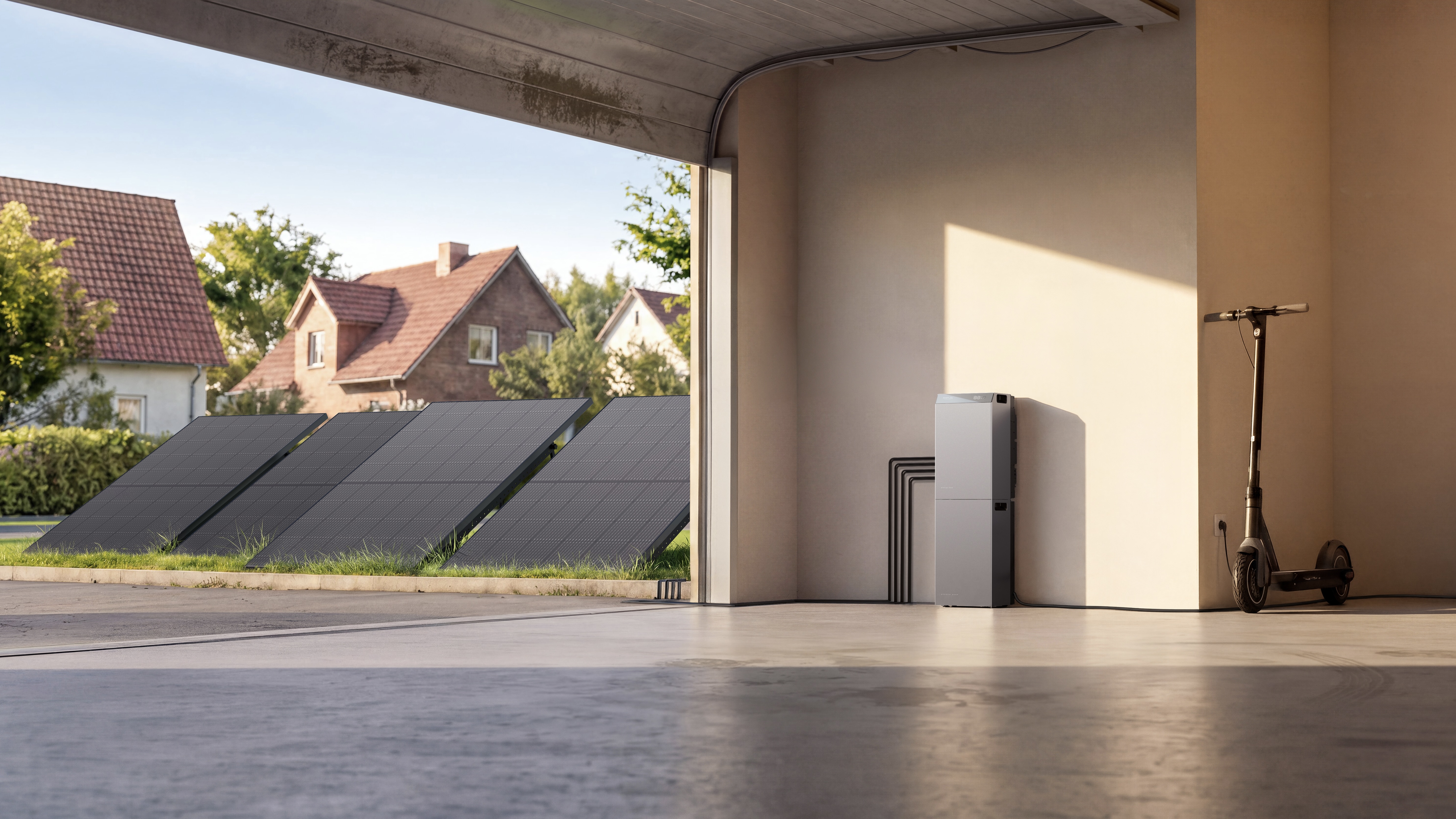 EcoFlow's new home battery arrives just as plug-in solar becomes legal in the UK
The 5kWh system stores surplus solar energy for when you need it
-
 I put my travel tech to the ultimate test across 4 countries in 5 weeks – these are the winners
From eSIMs and power banks to luggage and VPNs, these are the essentials I relied on abroad
-
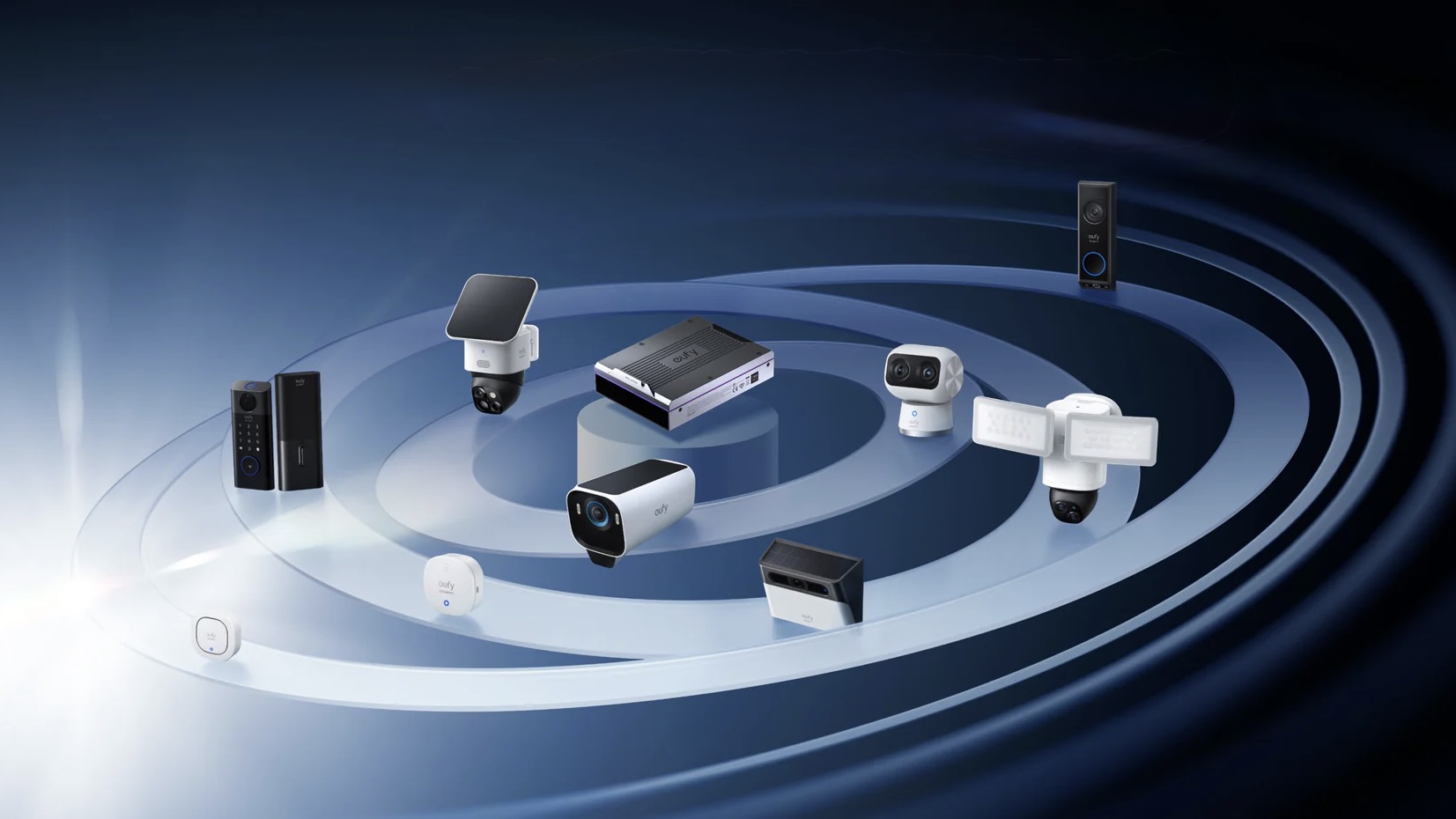 Eufy announces new AI-powered smart home security platform with no monthly fees
It's the world's first-ever local AI security system
3 Comments -
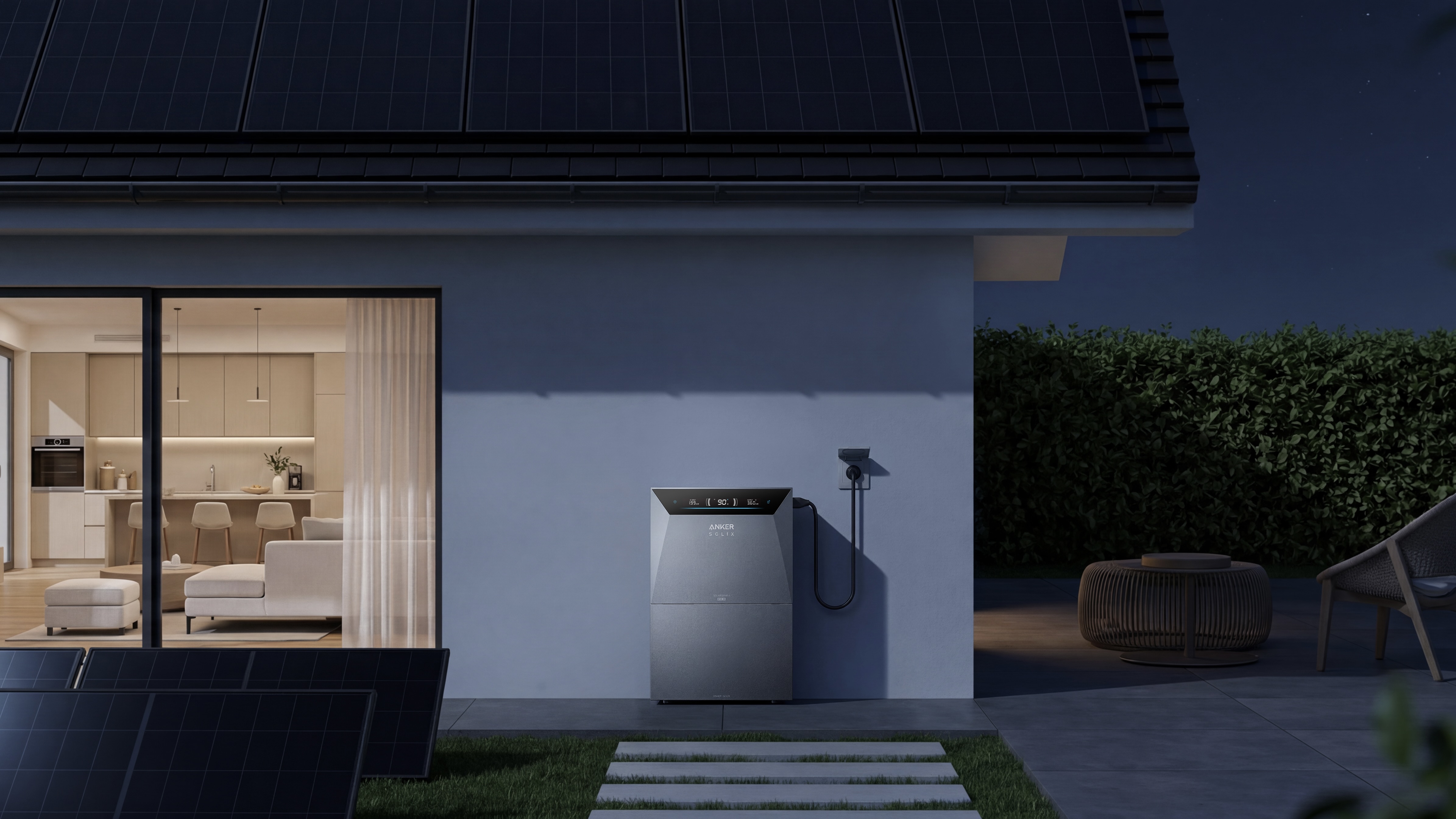 Anker launches most advanced balcony energy storage system yet – and this time the UK isn’t missing out
It's designed to help households make greater use of home solar energy with minimal installation


