I tried the six exercises a 66-year-old longevity doctor swears by, and they're surprisingly simple and effective
Dr Mark Hyman only started strength training at 59 and believes building muscle is the key to ageing well


If there's one guy who knows a thing or two about training for the long game, it's physician, bestselling author, and pioneer in functional medicine, Dr Mark Hyman.
The 66-year-old longevity expert and founder and senior adviser of the Cleveland Clinic Center for Functional Medicine says he's fitter than he's ever been in his life. And he's more than happy to share his secrets.
“Your body is actually the single most sophisticated thing you'll ever own," says Hyman, who didn't start strength training until he was 59. "Now I'm 66 and stronger than I was in my 40s," he explains. What's his secret?
Why strength training matters in your 60s
"Muscle is the organ of longevity. It controls your blood sugar, protects your bones, fuels your metabolism, and keeps you independent as you age," explains Hyman. "After 30, we lose muscle every decade unless we fight for it."
He’s not wrong. As we get older, we naturally lose muscle mass and strength, which can affect everything from our balance and mobility to how easily we manage everyday activities.
But here's the good news. It's never too late to start strength training, and our muscles can respond to exercise well into later life.
In fact, Hyman believes you might notice some benefits sooner than you think. "In as little as 10 days, you can start to feel the difference in your energy, sleep and mood," he says.
Of course, building muscle takes time, but it's encouraging to know that even small changes to your routine can move you in the right direction.
The workout
Hyman explains that these six moves will help you stay "strong enough to hike mountains, travel the world, carry your own bags and keep doing things you love for decades to come."
And isn't that what training for longevity should really be about? Not just looking strong, but being strong enough to enjoy life, whatever your age.
His six exercises involve core work, upper-body strength, grip endurance and rotational movement. Here's how to do them.

1. Mountain climbers
"This move combines strength and cardiovascular work," says Hyman. "Exercises that challenge multiple systems at once improve metabolic health, balance and resilience."
Start in a high plank position, with your hands directly beneath your shoulders and your body forming a straight line from your head to your heels.
Keeping your core engaged, drive one knee towards your chest, then return it to the starting position. Repeat on the opposite side, alternating legs in a controlled, running-like movement.
No gym? No problem. This move can be done anywhere.
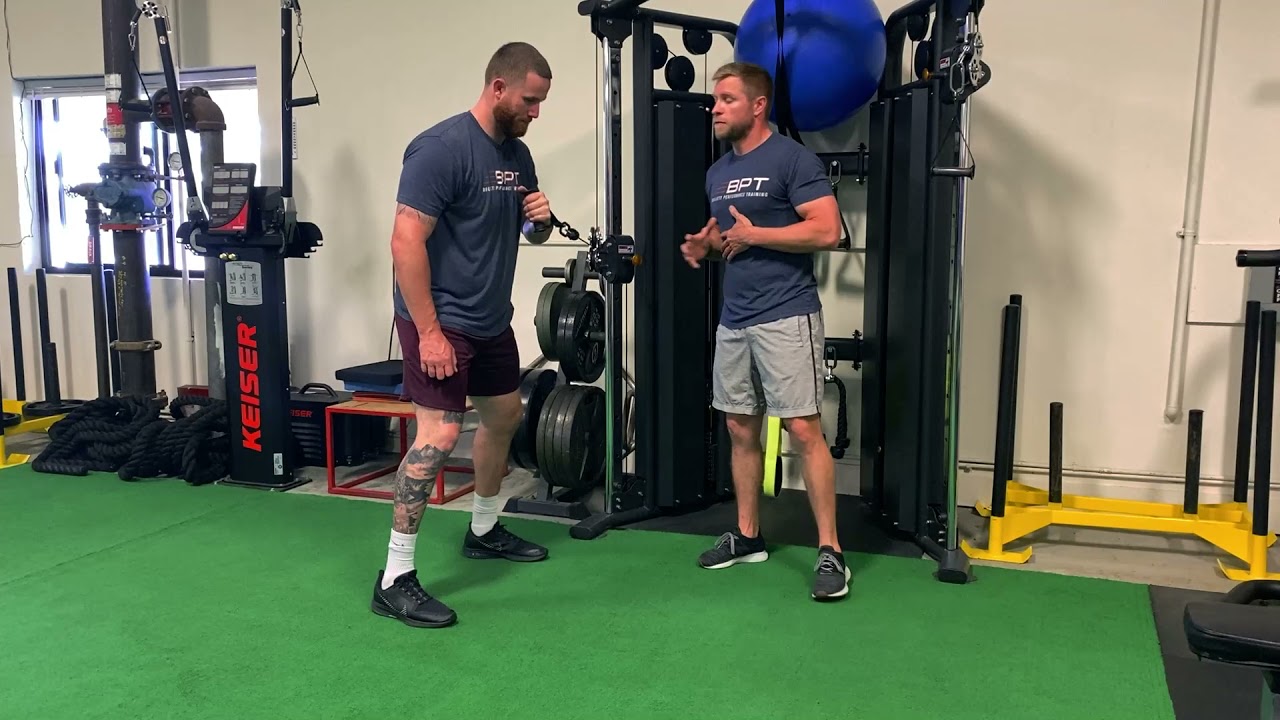
2. Rotational cable press
"Most injuries happen during twisting, reaching, or changing direction," says Hyman. "Training rotation helps maintain real-world movement capacity and protects the spine."
Stand in front of a cable machine with the handle at knee height. Hold the handle, then rotate through your torso as you press your arm forwards and slightly across your body. Return slowly to the starting position before repeating. Switch sides to work both directions.
No gym? Secure a resistance band around a sturdy object and use the band instead.
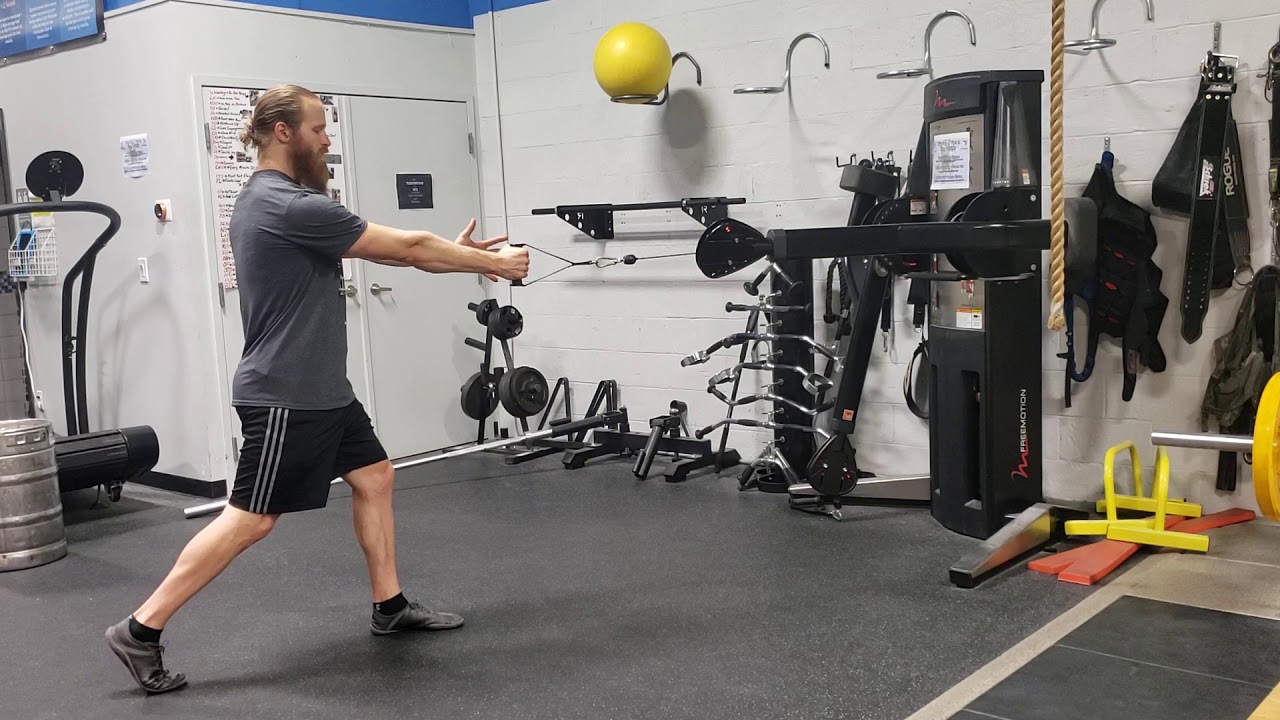
3. Single-arm rotational cable row
"A strong back supports spinal health, posture and shoulder function," says Hyman. "All of which tend to decline with age."
Set the cable machine around waist height and hold the handle with one hand. Step back to create tension in the cable, keeping your knees slightly bent. Allow your torso to rotate gently towards the machine, then pull the handle towards your ribs as you rotate back. Keep the movement controlled rather than using momentum.
No gym? Secure a resistance band around a sturdy object and use the band instead.
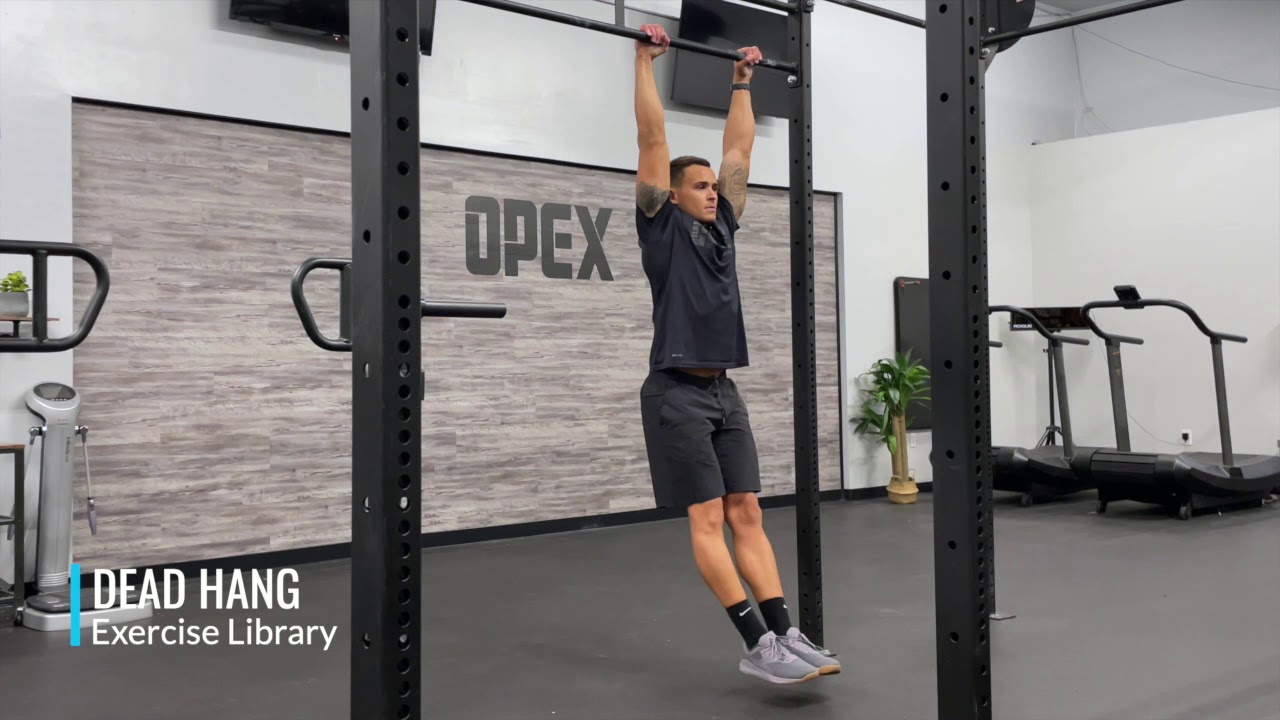
4. Dead hang
"Grip strength is one of the most studied predictors of healthy aging and overall mortality," says Hyman. "Hanging also helps maintain shoulder range of motion."
Grip a pull-up bar with both hands, roughly shoulder-width apart, and allow your body to hang beneath it. Keep your shoulders controlled and your core lightly engaged, avoiding excessive swinging. Hold for as long as you can comfortably maintain your grip and position.
If a full dead hang feels too challenging, keep your feet supported on a box or the floor to reduce the load.
No gym? Find a playground with some monkey bars, or invest in a door frame bar.

5. Lat pulldown
"Strong pulling muscles support posture, shoulder health and the ability to lift and carry objects throughout life," says Hyman.
Sit at a lat pulldown machine with your thighs secured beneath the pads. Grip the bar slightly wider than shoulder-width apart and keep your chest lifted. Pull the bar down towards your upper chest, driving your elbows towards your sides. Slowly extend your arms to return to the starting position.
Avoid leaning too far backwards or using momentum to pull the weight down.
No gym? Secure a resistance band around a sturdy object. Making sure the band is securely anchored overhead, pull the handles of the band from above your head down towards your ribs. Control the band on the way up, and back on the way down.

6. Alternating dumbbell chest press
"Resistance training helps preserve muscle and bone, two key factors in preventing frailty," says Hyman.
Lie on a flat bench holding a dumbbell in each hand, with your arms extended above your chest. Keeping one arm steady, lower the opposite dumbbell towards your chest by bending your elbow. Press it back up, then repeat on the other side.
Alternate arms throughout, keeping your feet planted and your torso stable.
No gym? Use heavy water bottles and lie on your back with your knees bent. Or invest in a pair of adjustable dumbbells, which take up very little room and adapt to your progress.
How often should you do the workout?
"Every workout is an investment in my future self," says Hyman. His aim is to perform these moves three to four times a week, alongside walking every day.
If you're new to strength training, start with fewer sessions and build up gradually, allowing your muscles time to recover. Choose a manageable level of resistance, concentrate on your technique and increase the challenge as you become more confident and resilient.
And that's perhaps the biggest takeaway from Hyman's approach. Strength training isn't just about what you can lift today. It's about making sure your body is capable of doing everything you love tomorrow – and for decades to come. It's never too late to start, because, yes, training takes effort – yet “frailty takes everything.”
