Do I need a TV Licence to watch Netflix, Amazon Prime Video and YouTube in the UK?
There are changes proposed for the UK TV Licence, but what does it cover now, and why do you need one?


Quick Summary
The TV Licence is an expensive necessity if you watch live television in the UK.
But is it needed if you only stick to streaming services? Find out here.
As we recently reported, the UK government is considering changes to the UK TV Licence to make it more relevant to today's services, with the potential of even lowering the fee for British households.
These proposals include adding streaming services, such as Netflix, Amazon Prime Video and Disney+ to the licence, meaning you'll need one to stream content – even if you're only using your mobile phone.
But what does the TV Licence cover now, when is it mandatory, and how much does it cost?
We answer these questions and more in this handy guide to the UK TV Licence as it stands, with one eye on how it could change in the future.
Why do I need a TV Licence?
Rather uniquely, the UK's main broadcaster – the BBC – is a public funded organisation rather than commercial. That means it doesn't carry adverts, but is paid for through a form of taxation – ie. the TV Licence.
Each household that watches live TV in the UK is required to pay a fee (monthly or yearly) and the government then dispenses that money to the Beeb to spend on its programming and operations.
Where it can become confusing for some is that while the BBC is the beneficiary of the TV Licence fee, it is mandatory to pay it even if you only watch other channels.
Indeed, all live TV is covered by the TV Licence, including the vast array of TV channels in the electronic programme guide – whether free or paid-for via the likes of Sky or Virgin Media. The same is true when watching live TV content on YouTube or Prime Video in the UK.
The licence is also required if you watch and stream content on BBC iPlayer, even if it's not live (ie. on demand).
What aren't currently covered by the TV Licence are sole streaming services when not viewing live TV content. For example, you can watch Stranger Things or Squid Game on Netflix without needing a TV Licence, but if you watch a live show such as WWE Raw or Smackdown, you will.
So, do I need a TV Licence to watch Netflix and Amazon Prime Video?
As mentioned above, you don't generally need a TV Licence to watch content streamed via the likes of Netflix, Amazon Prime Video, Disney+ and Apple TV. Not even YouTube.
But, that depends on what you watch. If you watch any live shows broadcast on the streaming platforms, you do need one. And considering each of them is moving more and more into live TV, they are entering a grey area.
This is where the UK government's new proposals come in. It is already proving hard to encourage all households to purchase a licence, with only a reported 80% in the UK said to be paying already.
That's a lot lower than the amount of households thought to be watching the BBC or other eligible television programming – that's reportedly 94%.
The shortfall is an issue for the BBC, which is growing having to cut budgets and jobs as its funding shrinks. Which is why both the BBC board of governors and the Department for Culture, Media and Sport are considering different plans to alter the licence to suit changing trends.
This could lead to streaming services being covered by the TV Licence completely, regardless of whether you are watching live TV or on demand content. In that scenario, you will require a TV Licence no matter what, where or on what device you watch.
We're keeping a close eye on any further developments, and will update in due course.
How much does a TV Licence cost in the UK?
A UK TV Licence currently costs £180 per year which covers an entire household. That includes student or shared accommodation if you watch TV in a single shared area. Businesses also need at least one TV Licence to show live TV content in the office or in hotel rooms.
If you only have a black and white TV, you only have to pay £60.50 per year.
Note, if you are found to be recording or watching live TV without a TV Licence, you can be fined up to £1,000.
And finally, what has the BBC ever done for me?
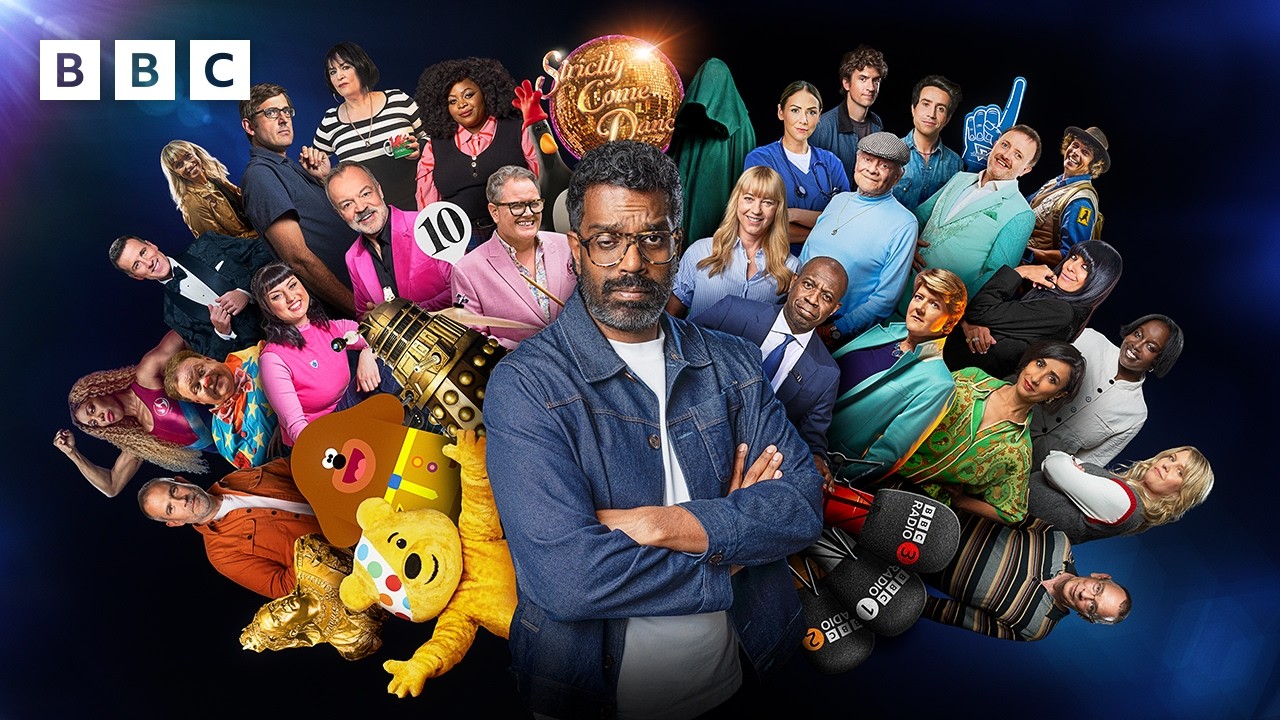
As part of its drive to get more UK households paying for a TV Licence, the BBC has made its own commercial titled: "What has the BBC ever done for me?"
Starring comedian and presenter Romesh Ranganathan, it looks at the most popular programming and initiatives that are synonymous with the corporation, to remind viewers exactly how much it might mean to their daily lives.
It's well worth a watch.