
-
 New Xbox console announced during the Games Showcase after all
Xbox is celebrating its 25th anniversary with new, special edition hardware
-
 I played this lesser-known Switch 2 game all the way through in one go – you should check it out
Mixtape is a slice of nostalgia
-
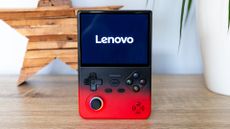 I bought the Lenovo G02 retro games handheld before it was pulled from sale – here's what you're missing
Is Lenovo's first retro handheld worth it if it returns to market?
-
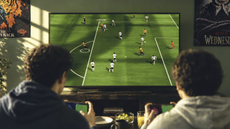 FIFA finally returns to take on FC 26, and is remarkably free for all Netflix subscribers – you don't even need a console
FIFA World Cup: Launch Edition will be available to play on your TV from 11 June
-
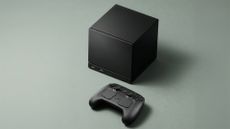 Valve just gave everyone the best Steam Machine news – prepare for launch
Valve's new console gets a release update, and it's great news
-
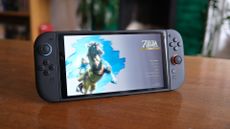 A new, upgraded Nintendo Switch 2 is coming already – will be available early next year in specific regions
Nintendo has confirmed a new version of the Nintendo Switch 2
-
 I tried every major gaming handheld at Computex – here are the 4 best to know about
These handhelds are going to push the envelope
-
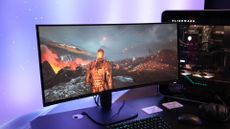 Dell's new Alienware gaming monitors are way more important than you might realise – for one big reason
Pricing is everything at a time like this
-
 Summer Game Fest continues with the Future Games Show Summer Showcase – here's how to watch it live
More than 40 games will feature in the biggest showcase event of the summer
-
 New God of War, Tomb Raider and Wolverine impressed during PlayStation's State of Play, but something else piqued my interest more
I've been a fan of this franchise for years, and am so glad a new game is coming to PS5 and PS5 Pro
-
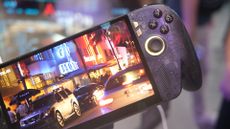 Using the ROG Xbox Ally X20 confirms it got the most critical upgrade required
An OLED was the obvious choice
2 Comments -
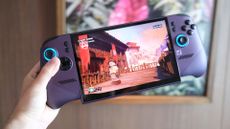 I've used MSI's beefy new Claw handheld, and it's a screamer – but there are some asterisks
The Claw 8 EX AI+ has oodles of power
-
 Finally, an OLED version of the Xbox Ally handheld has been revealed – and I want the 'Xbox Ally X20' more than anything
The ROG XBOX Ally X20 brings a much-requested OLED upgrade to the handheld
-
 Ignore the Steam Deck price hike – Acer's new handheld blows it out of the water in every way
Albeit one of those ways will be price, too
-
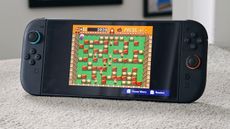 I visited a retro gaming arcade and played Bomberman – now I've downloaded it for Switch 2
Retro gaming is going strong – and my rediscovery of Bomberman is a blessing
-
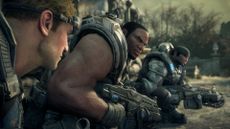 All Xbox Series X/S and PC owners can play the latest Gears of War for free – no Xbox Game Pass needed
Gears of War: Reloaded is completely free for a limited time
-
 Call of Duty: Modern Warfare 4 is official – there's no Xbox Game Pass free option this time, but it will be on Nintendo Switch 2
COD is coming back later this year for PS5, Xbox Series X/S, PC and Switch 2
-
 Lenovo pulls its controversial G02 retro handheld from sale – starting a chain reaction that could decimate the retro gaming market
The £60 / $80 retro gaming handheld is no longer available outside of China
-
 Intel's new handheld gaming chip is a huge deal – and Acer's new PC gaming handheld shows exactly why
The market might be about to shift again
-
 PS Plus leads with a game Xbox owners would rather you didn't have – especially for free
The PS Plus games for June have been announced and one of them was an Xbox exclusive
-
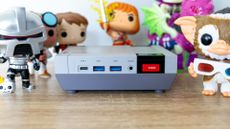 This retro games console is capable of playing AAA PC games alongside the classics – looks like an NES but runs like a Ferrari
The AceMagic Retro X5 mini PC has the looks as well as the hardware for gaming through the ages
-
 007 First Light is perhaps the most cinematic game I've played in years – it's simply gorgeous on PC
James Bond looks better than ever
-
 Fortnite finally returns to iPhone around the world – except one major nation
The App Store just a whole lot more appealing for (most) iOS gamers
-
 LG's new 1,000Hz monitor is a sign of where gaming is heading – and we like it
It doesn't get much faster than LG's latest UltraGear FHD gaming monitor
-
 Cost cutting Xbox Game Pass subscription cancelled – and for a very weird reason
Sources claim that a much-requested new Game Pass tier has been ditched, and it's not Xbox's fault
-
 The £60 Lenovo G02 retro gaming handheld is being blasted as a scam, but it's actually real and approved
If you were holding off from that AliExpress purchase, here's some news you might be interested in
-
 Xbox Game Pass getting more great games in May, but I'm more excited by June's first big announcement
A game I've had on my wishlist will be free to Xbox Game Pass members in just a couple of weeks
-
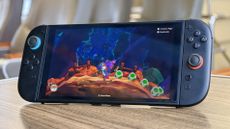 Forget Mario, Nintendo's joyous new Switch 2 exclusive has me hooked
Yoshi and the Mysterious Book really isn't only for kids – it's for everyone
-
 I didn't know the PS5 Pro could do this – Sony's latest exclusive just blew my socks off
This many particle effects in 4K 60fps shouldn't be possible on a console


